Hard Water Solutions: Softeners, Filters and Reverse Osmosis
White crust on faucets, spotted glasses and soap that will not lather are the familiar signs of hard water. Arizona Water Company supplies Coolidge from wells, and groundwater carries dissolved minerals. This page explains the options for dealing with them and how to match a system to the problem.
Call (520) 340-7175 Common questions
- Licensed and insured plumbers
- Same-day service when available
- 24/7 emergency dispatch
Signs of Hard Water and How to Test It
Hard water leaves scale on fixtures, cloudy spots on dishes, dry skin after a shower and a gradual loss of flow in pipes and heaters. The only way to know how hard your water is, is to test it. Test strips give a quick estimate, and a lab or a plumber's meter gives a number.
Check the utility's published water quality report, which lists what it delivers, and then test at your own tap, since pipes can change what arrives. Matching the equipment to a measured number avoids buying more system than you need.
What a Water Softener Does
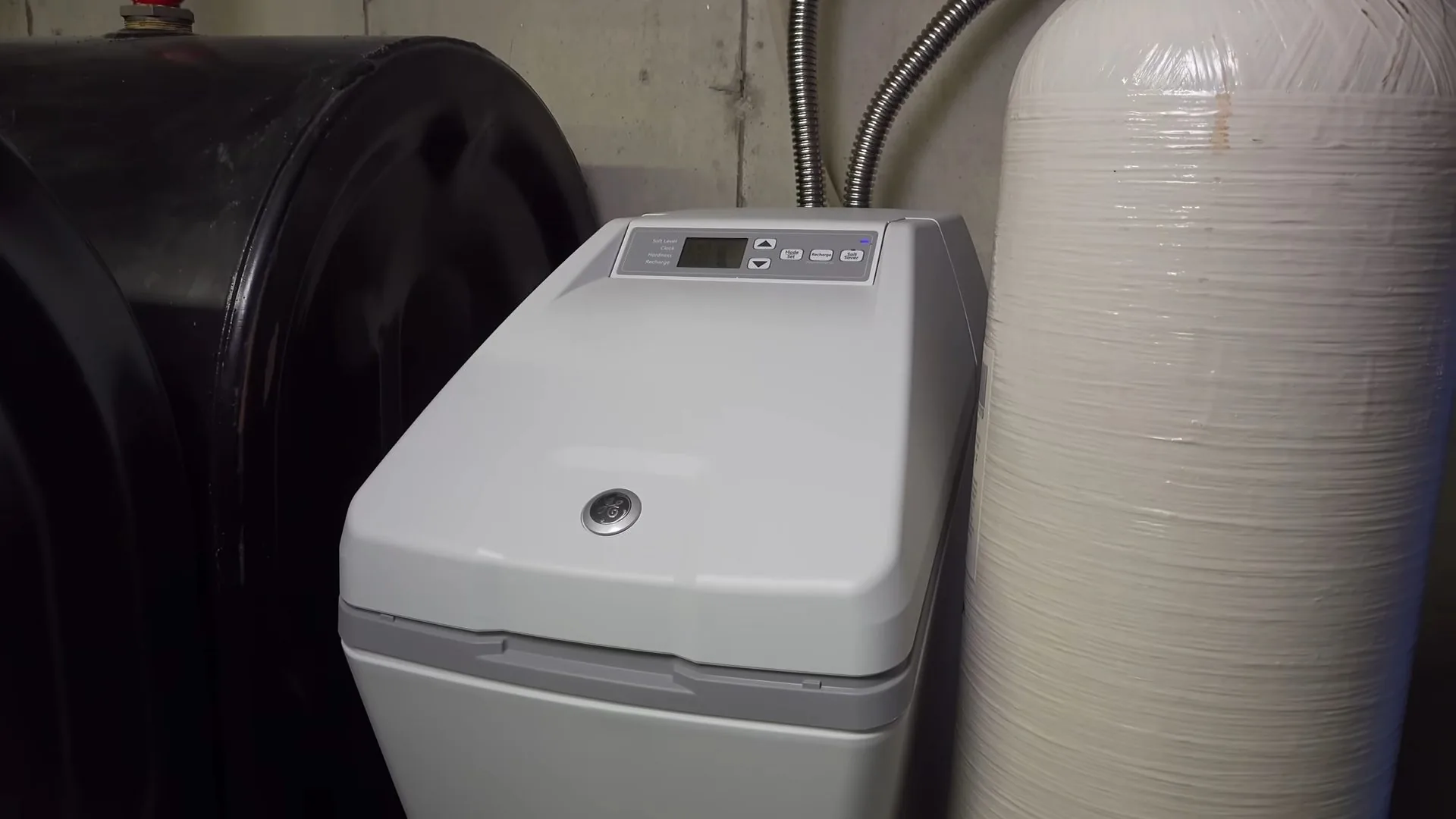
A softener swaps the hardness minerals, calcium and magnesium, for sodium or potassium as water passes through a resin bed. When the resin fills, the system regenerates with a brine rinse and flushes the minerals to a drain. The result is water that does not scale pipes, heaters or fixtures.
| Type | What it handles |
|---|---|
| Salt-based softener | Hardness minerals |
| Carbon filter | Taste and odor from chlorine |
| Reverse osmosis | Dissolved solids at one tap |
| Sediment filter | Sand and particles |
A softener softens; it does not filter, so many homes pair it with a separate filter. The two jobs are different, and a plumber can explain which one your symptoms point toward before you spend money on either.
Scale on every fixture?
A water test shows how hard the water really is, and what system fits.
Softener Installation
A whole-house softener goes on the main line, usually in a garage or utility area, with a drain connection for the regeneration water and a power outlet. Sizing is based on household water use and hardness, so the unit regenerates at a sensible interval. A bypass valve lets you isolate it for service.
Before the visit, settle a few practical questions. Where will the unit sit, and is there power nearby? Ask where the plumber will tie in, how the drain will be handled and whether outdoor hose bibs will be on softened water. Many people prefer to leave outdoor taps on untreated water, since lawns and cars have no use for sodium.
Softener Repair: Salt Bridges, Low Flow and Resin Problems
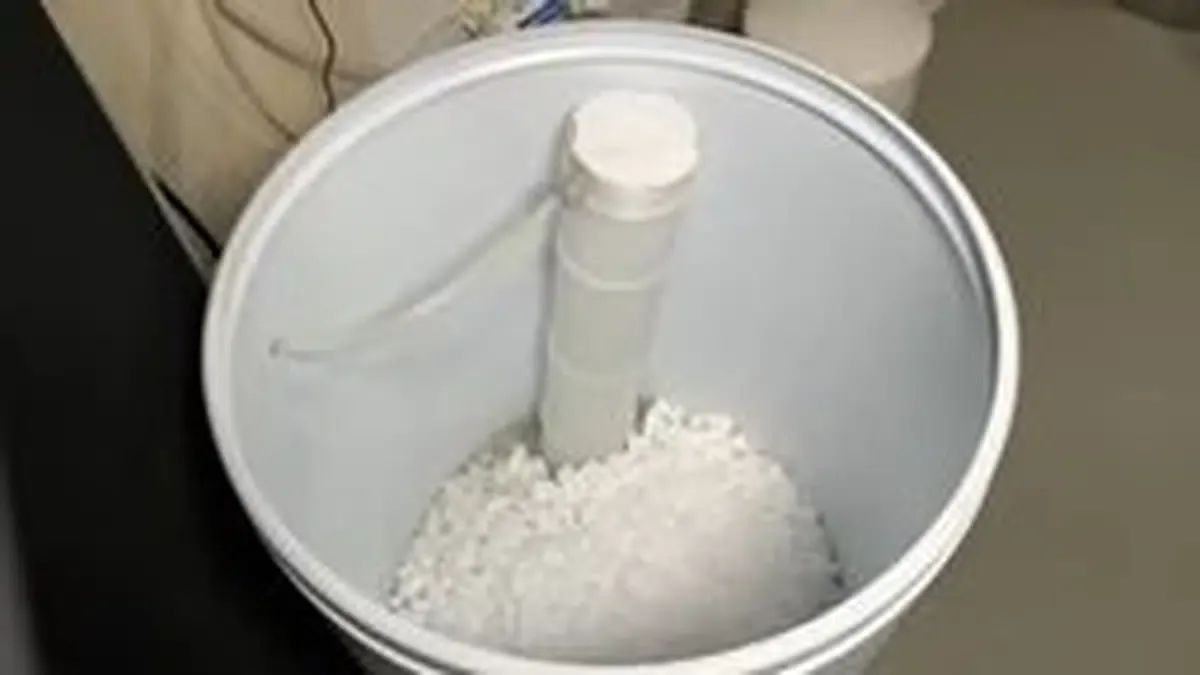
Softeners fail in familiar ways. A salt bridge is a hard crust that forms in the brine tank and stops salt from dissolving, so the unit runs but does not soften. A control valve can stop cycling. Resin beads wear out over many years, and iron or sediment can foul them.
- Check that the tank has salt and break up any crust you find.
- Confirm the unit has power and the clock is set.
- Look for water on the floor around the valve.
- Call if hardness returns after a regeneration cycle.
Under-Sink Filters and Reverse Osmosis
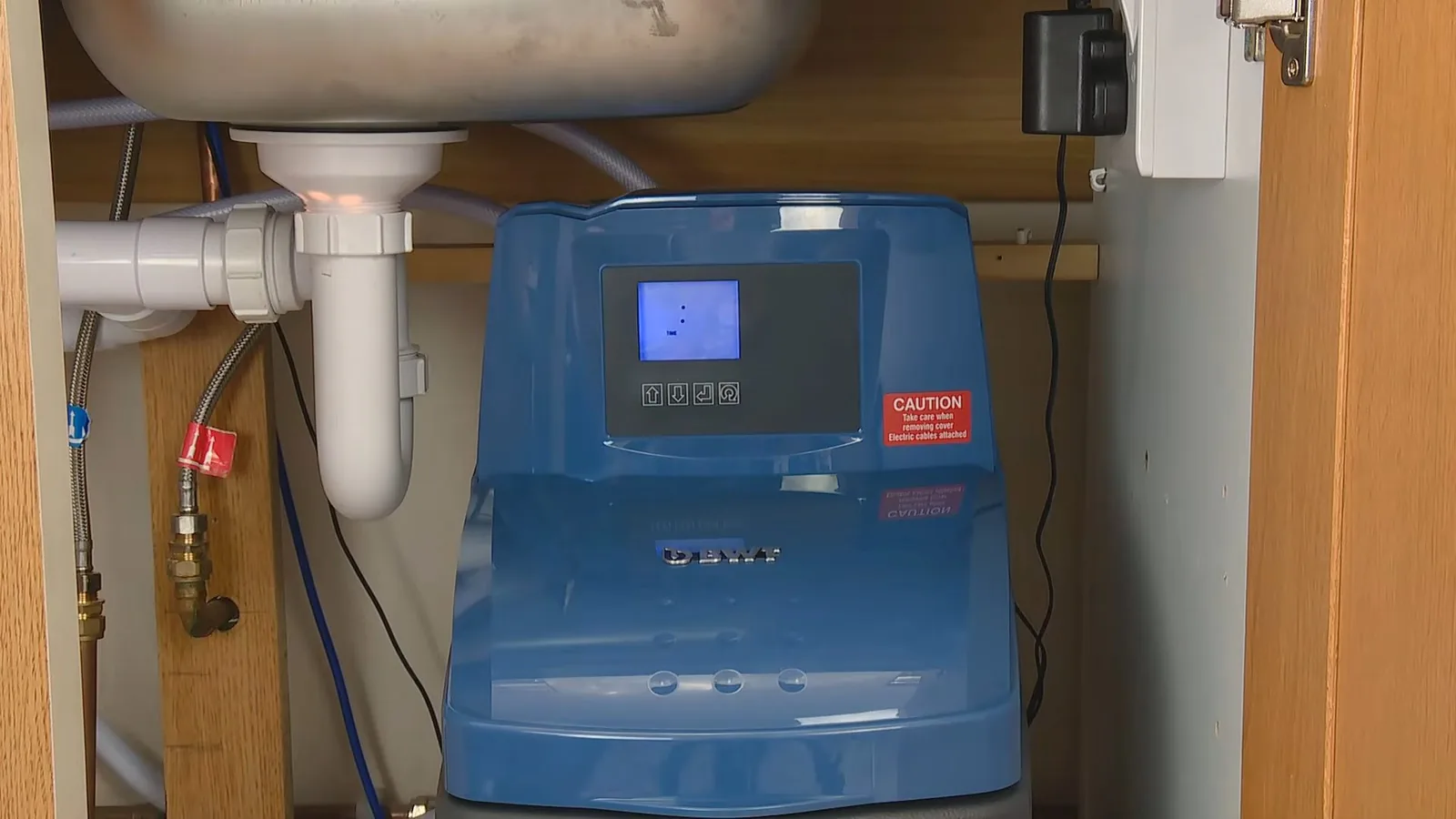
An under-sink filter treats drinking water at one tap, with a small faucet on the sink. Carbon filters improve taste and reduce chlorine. Reverse osmosis pushes water through a fine membrane and removes much of the dissolved content, with a storage tank under the sink and a drain connection.
Space under the sink is limited, so tell the plumber what already lives there, such as a disposal or a dishwasher line. Filters need regular replacement. A cartridge that is overdue can pass contaminants back or restrict flow. Mark the install date and follow the maker's schedule. Related fixture work is on the faucet and toilet guide.
Softener running but water still hard?
A salt bridge or a stuck valve is common. Call and describe what you see.
Whole-House Filtration and Water Conditioning Choices
Whole-house filters treat every tap. A sediment stage catches sand, and a carbon stage reduces chlorine taste and odor. They are often combined with a softener, so the filter protects the resin and the softener protects the pipes. Conditioners that use no salt reduce how scale clings to surfaces without removing the minerals, and they work differently from softeners.
Because scale also builds in water heaters, treatment can extend heater life; see the water heater service page and the tankless service guide. This page does not make a hardness claim for Coolidge. Check the utility report and test your own tap.
Salt, drains and older units
Softener salt questions, drain connections and replacement of older units are handled when you call.
Softener and Filtration Questions
Do I need a water softener in Coolidge?
Whether you need one depends on your water test. Check the utility report and test your tap, then decide based on how much scale and spotting you see.
What is a salt bridge in a softener?
It is a hard crust in the brine tank that keeps salt from dissolving, so the unit stops softening. Breaking it up and checking the salt level usually helps.
Is a softener the same as a filter?
No. A softener removes hardness minerals through ion exchange. A filter removes particles, chlorine or other contaminants. Many homes use both.
How often should I change an under-sink filter?
Follow the maker schedule, commonly every six to twelve months for cartridges. Slow flow or poor taste means it is due.
Can I soften only the water to the house and not outdoor taps?
Yes. A plumber can tie the softener in after the line to outdoor hose bibs so they stay on untreated water.
Ready to deal with hard water?
Mention the symptoms, the fixtures and any existing equipment.
- Licensed and insured plumbers
- Same-day service when available
- 24/7 emergency dispatch