
Clogged Drain in Coolidge? Cleaning, Snaking and Jetting
Water that pools in the sink, a tub that drains in minutes instead of seconds and a gurgle from the toilet when the washer runs are the usual first signs. A clog that returns after a bottle of drain cleaner is rarely a surface problem, and the right tool depends on what is actually stuck and how far down the line it sits.
Call (520) 340-7175 Common questions
- Licensed and insured plumbers
- Same-day service when available
- 24/7 emergency dispatch
Slow, Clogged or Backing Up: What Each One Means
How a drain misbehaves tells you where the problem sits. A single slow sink usually has a clog in that fixture's own trap or short branch line. Two fixtures slowing together, for example a bathtub and a toilet on the same floor, point to a shared branch. When every drain in the house is sluggish or water appears in the lowest tub or floor drain, the blockage is probably in the main line.
| What you notice | Where the clog likely is |
|---|---|
| One sink drains slowly | That fixture's trap or branch |
| Tub and toilet both slow | Shared branch line |
| Gurgling when another fixture runs | Partial blockage with trapped air |
| Water rising in the lowest drain | Main line |
Chemical drain openers are tempting but often make things worse. They can sit in a blocked pipe, damage older fittings and leave caustic water standing for the plumber to work around.
Snaking, Rooter Service and Auger Work
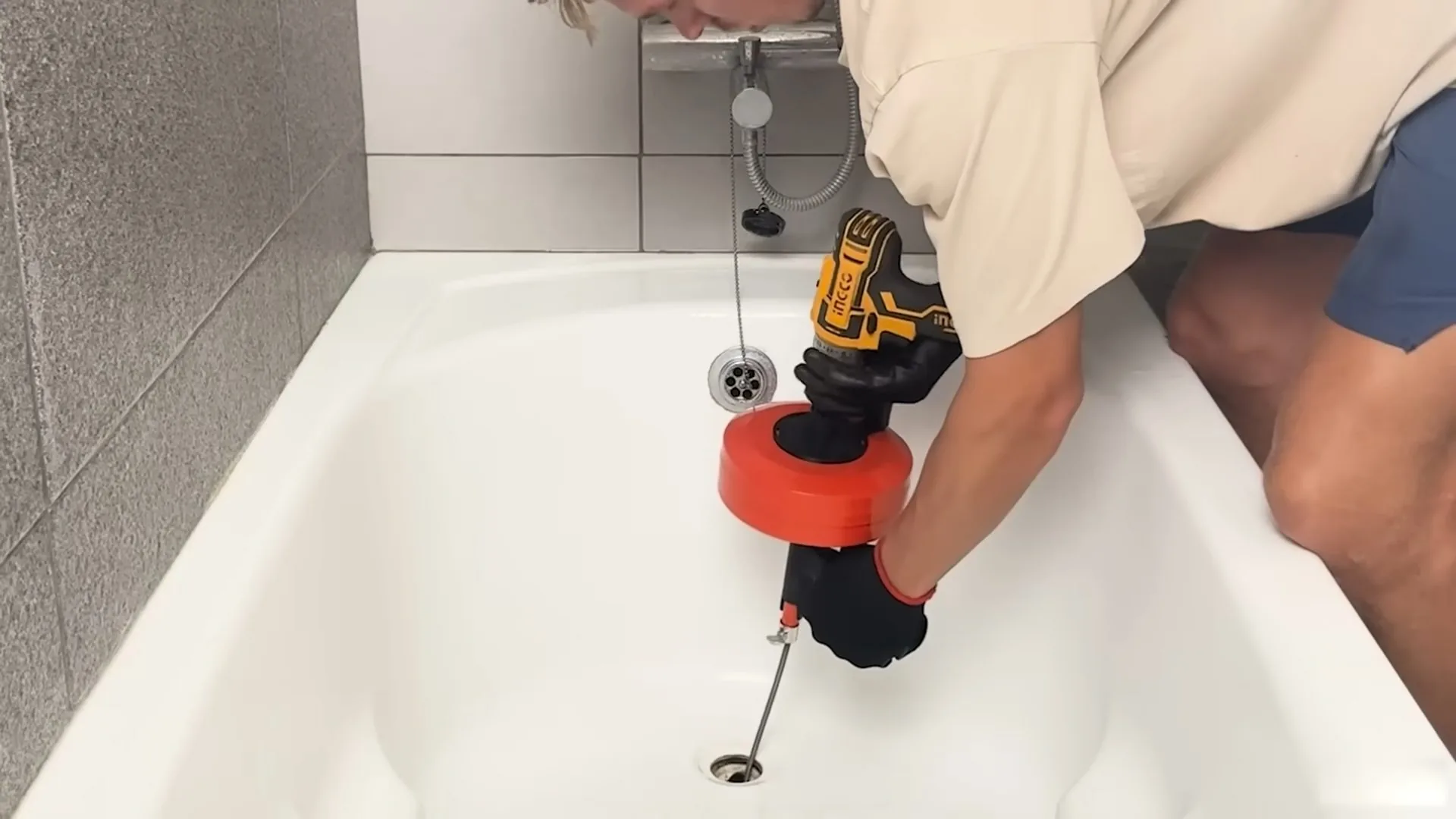
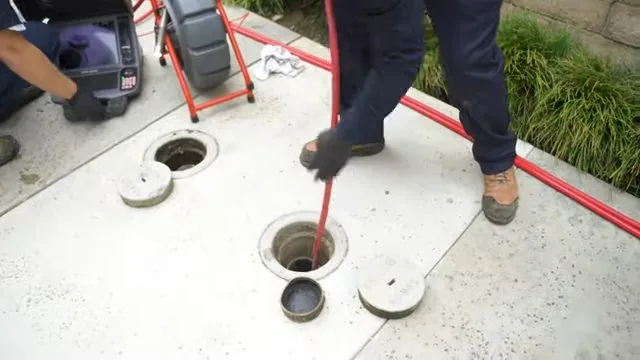
A drain cable, sometimes called a snake or rooter, is a flexible steel line fed into the pipe with a rotating head. The head bores through or hooks onto a blockage so it can be pulled out or broken into pieces that flow away. For most household clogs from grease, hair, paper and soap, cabling restores flow quickly.
The limit of a cable is that it punches a hole through the clog rather than cleaning the pipe wall. If the same drain slows again within weeks, there is probably a coating of buildup left behind, and a deeper cleaning method is the better fit. Tell the plumber how long ago the last clog was cleared, because that history changes the recommendation.
Drain slow again after a quick fix?
A repeat clog usually has a cause worth finding. Call and describe how it behaves.
Hydro Jetting for Stubborn or Repeat Blockages
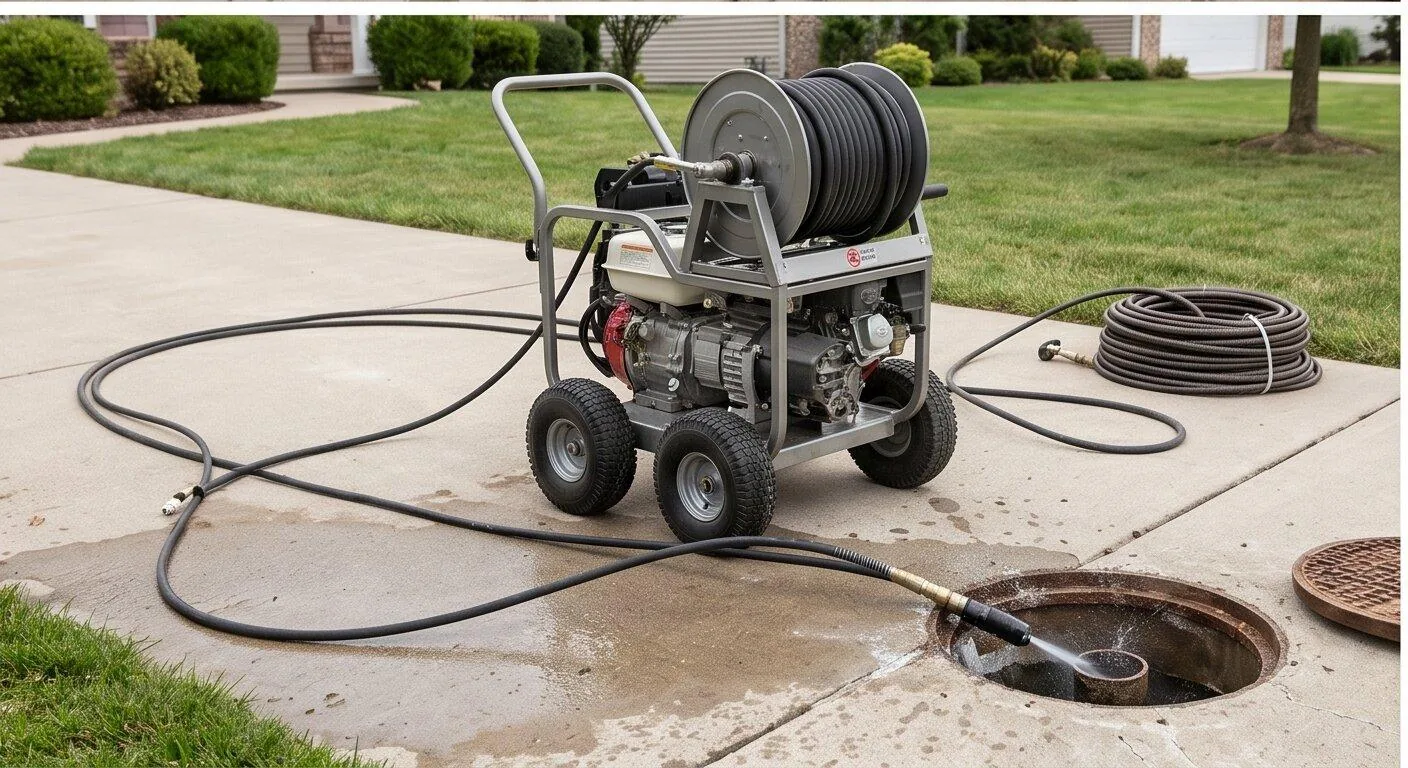
Hydro jetting uses a high-pressure stream of water from a nozzle that is pulled back through the pipe. The spray scours grease, scale and debris off the pipe walls instead of poking a hole through them. It is the common choice for kitchen lines coated with years of grease, for lines clogged by roots and for any drain that keeps returning after cabling.
Jetting is not right for every pipe. Cracked, collapsed or badly corroded lines can be damaged by pressure, which is why a camera look often comes first. Ask the plumber to show you what the camera finds and why jetting is or is not the right step. Comparing cable and jet on the same drain is a fair question to ask.
Main Line Backups and Root Intrusion
The main line carries everything leaving the house, so a blockage there affects every fixture. The first sign is often a toilet that will not clear and a tub that backs up when the washing machine drains. Roots are a common cause where trees sit near buried lines, because they find tiny joints and grow inside the pipe, but grease, wipes and collapsed sections cause main line stoppages too.
A camera inspection is the best way to learn which. It shows the pipe condition, the location of the blockage and whether the line needs repair rather than another cleaning. Because backups can push waste into the home, treat any water coming up from a floor drain or tub as urgent. The repair side of the story is on the sewer line page.
Kitchen Sink, Tub and Shower Drains
Kitchen drains clog from grease that cools and sticks, and from food that disposal blades push farther than the line can carry. Pouring hot water down the drain after a greasy meal helps only briefly. If you have a garbage disposal, keep it running with cold water for a few seconds after use, and see the garbage disposal page if the unit itself is jammed.
Tub and shower drains clog with hair and soap, usually within a few inches of the drain opening. A hair catcher prevents most of it. When water stands in the shower after a quick fix, the clog is deeper than the catch area. Floor drains in a garage or laundry area deserve the same attention, since a backup there spreads quickly.
Water coming up where it should be going down?
A backup into a tub or floor drain is urgent. Dispatch answers every hour of the day.
What a Drain Cleaning Visit Actually Includes
A visit starts with questions: which drains are affected, when the problem began and what has already been tried. The plumber then checks the fixture, the trap beneath it and the nearest cleanout, since that is where the cable or jet enters the line. Cleaning is finished when water runs freely under normal use, not when the first gurgle stops, so a good plumber runs water through the line to test it before leaving.
Before the visit, clear the area under the sink, locate any outdoor cleanout and note any recent plumbing work. If you have a garbage disposal, mention it, because disposals change how a kitchen line is cleaned. Afterward, ask what was found in the line, whether it is likely to return and what simple habits would keep it clear.
Pipe Damage That Cleaning Cannot Fix
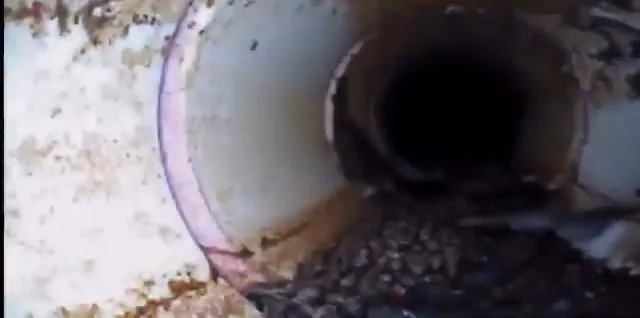
Some drains are slow because the pipe itself has failed. Cast iron corrodes from the inside and builds rough scale that catches debris, and any buried pipe can crack, sag or separate at a joint. A camera inspection tells these apart from a plain clog, and repeated clogs in the same spot are a strong hint. When the pipe is the problem, cleaning only delays the repair, so the plumber should say so plainly and explain the options for fixing the line.
Smells are a clue too. A persistent sewer odor near a drain can come from a dry trap, a cracked line or a venting problem. It is worth mentioning even when the drain flows freely.
Roots, yard drainage and toilet clogs
Toilet clogs, tree roots, French drain and yard drainage questions, and commercial kitchen drains are covered when you call, with the plumber explaining what is possible for your property. Sprinkler and irrigation drainage is a separate trade, so those calls go to an irrigation specialist.
Drain Cleaning Questions
Why does my drain keep clogging after I clear it?
A repeat clog usually means buildup remains on the pipe walls or the line is damaged. Cabling opens a hole through the blockage but leaves the coating, so the drain narrows again. Jetting or a camera inspection finds the real cause.
Is hydro jetting better than snaking?
They solve different problems. A cable clears a single blockage quickly. Jetting washes the pipe walls and suits grease, scale and roots. A plumber can recommend one after seeing the drain, and a camera look helps decide.
Can I use chemical drain cleaner before calling?
It is best to avoid it. Cleaners can sit in a fully blocked pipe, damage older fittings and leave caustic water for the plumber to handle. A plunger is the safer first try.
Why do two fixtures drain slowly at once?
They probably share a branch line, so the clog is past both of them. If every fixture is slow, the main line is the likely location.
How do I stop kitchen drain clogs from coming back?
Keep grease out of the sink, scrape plates into the trash and run cold water through the disposal after each use. Periodic jetting is an option for lines that have a long history of buildup.
Ready to clear that clog for good?
Call dispatch and say which drains are slow. The plumber will choose the cleaning method to match.
- Licensed and insured plumbers
- Same-day service when available
- 24/7 emergency dispatch