Sewer Line Repair and Replacement for Coolidge Homes
The first sign is usually small: a gurgling toilet, a tub that backs up when the washer drains or a smell near a floor drain. When sewage is returning into the home, the sewer line is blocked or broken somewhere between the house and the main, and the question becomes whether it needs clearing, repairing or replacing.
Call (520) 340-7175 Common questions
- Licensed and insured plumbers
- Same-day service when available
- 24/7 emergency dispatch
Sewer Backup: Immediate Steps and When to Call
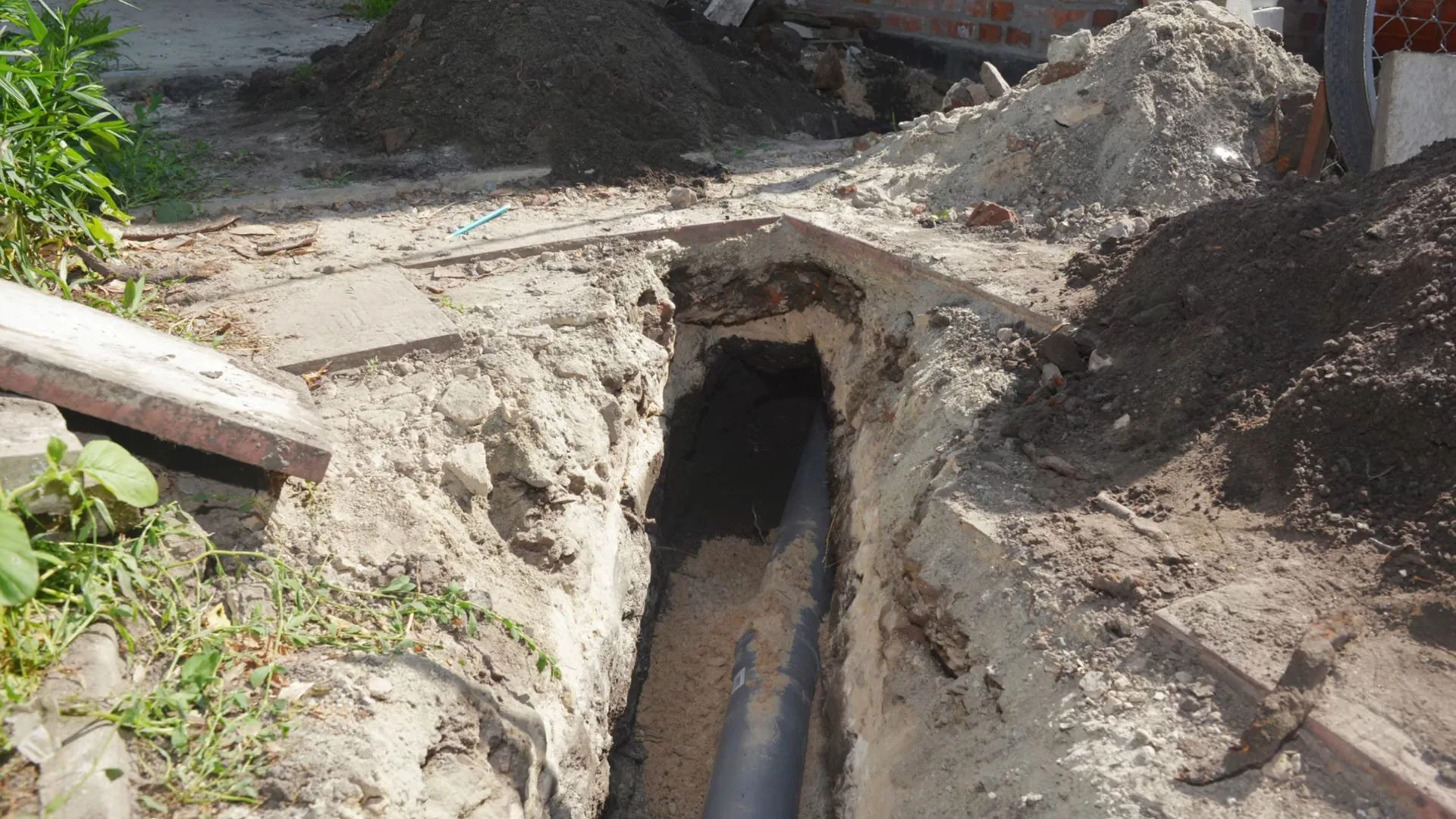
A sewer backup is not a waiting-room problem. Wastewater returning through the lowest drain in the house carries bacteria and can soak flooring within minutes. Stop using water in the house, because every flush, shower or load of laundry sends more into the same blocked line.
- Stop running water, including washers and dishwashers.
- Keep people and pets away from the affected area.
- Do not use chemical openers on a backed-up main.
- Call and tell the dispatcher which fixtures are backing up.
If wastewater has reached carpet or drywall, that material usually needs professional removal and drying, which the water damage restoration page describes.
Camera Inspection: Seeing the Line Before Deciding
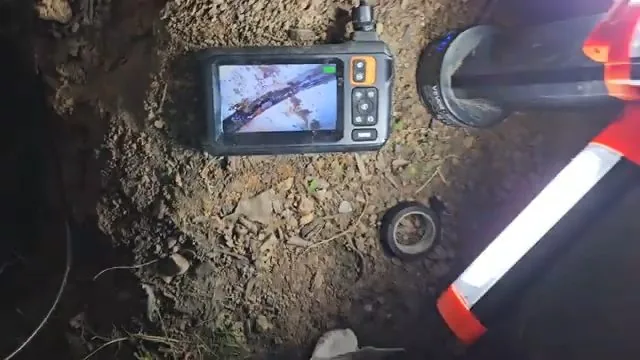
A sewer camera is a waterproof lens on a flexible cable that travels through the line from a cleanout. It shows root growth, cracks, bellies where the pipe has sagged and offset joints, and it records the distance to each problem. That distance matters, because it tells the plumber how deep to dig or where to start a trenchless repair.
A camera inspection should come before any recommendation to replace a line. Ask to see the footage and to have the problem spots pointed out. The answer to a repair or replacement question is usually visible on screen.
Sewage returning into the house?
Stop running water and call. Dispatch answers at any hour.
Trenchless Repair, Lining and Pipe Bursting
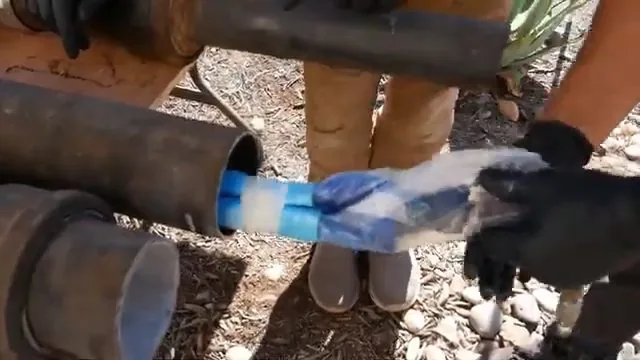
Trenchless methods reach the buried line from a small access point instead of an open trench across the yard. Lining draws a resin-saturated liner through the old pipe and cures it in place, forming a new pipe inside the old one. Pipe bursting pulls a new pipe through the path of the old one while breaking the old pipe apart as it goes.
| Method | Digging needed | Works best when |
|---|---|---|
| Lining | Small access points | Pipe is cracked or leaking but still in line |
| Pipe bursting | Entry and exit pits | Pipe is damaged or collapsed along its length |
| Open trench replacement | Full excavation | Severe offsets, bellies or access limits |
Not every line qualifies for trenchless work. A deep belly or a collapsed section may need to be dug out. Ask the plumber to explain why a method fits your line.
When a Sewer Line Needs Replacing
Replacement becomes the sensible choice when damage is long rather than local. Repeated backups in the same stretch, roots that return after cutting, several cracks along one run and a pipe material known to fail are the common triggers. A single point repair can fix a single break, but spending on repeated repairs of a failing line costs more over time than replacing it.
Replacement means a new pipe from the house to the connection point, installed to the depth and slope the line needs. The plumber should describe where the connection is, who is responsible for it and what permits the work may require. Ask for the permit and inspection plan up front, since a buried line is hard to check once the trench is closed.
Want to see what is wrong with the line first?
A camera inspection shows the problem on screen before any repair is chosen.
Who Owns the Sewer Lateral: You or the City?
The lateral is the pipe that connects the house to the public sewer main. In most places the homeowner owns and maintains the lateral up to the connection point, and the public utility owns the main. The exact dividing line varies by jurisdiction and sometimes by street, so the safest step is to ask the sewer utility or city office that serves your address where its responsibility ends.
That answer affects who pays when the blockage sits near the main. A camera inspection helps because it shows how far from the house the problem is, which makes the conversation with the city specific instead of guesswork.
Sewer Cleaning, Smells and Old Pipe Materials
Sometimes the line is intact and only needs cleaning. Cabling or jetting from a cleanout removes roots, grease and debris, and a camera afterward confirms the result. A cleanout, which is a capped access pipe usually found outside near the foundation, makes this routine and inexpensive, so ask the plumber to locate yours or add one if none exists.
A sewer smell inside the home deserves attention even without a backup. Likely sources include an unused trap that dried out, a damaged pipe or a blocked vent stack. Older homes may also have cast iron, clay or Orangeburg pipe, a fiber pipe that softens with age. A camera shows which material your line is made of and what condition it is in. For ordinary clogs that do not involve the main, the drain service page is the better place to start.
Sewer Line Questions
Why does my house smell like sewage?
The common causes are a dry trap in a rarely used drain, a cracked or disconnected sewer line, a blocked vent or a backup beginning in the main. Pouring water into unused drains rules out the trap, and a camera inspection checks the line.
Is trenchless repair always possible?
No. Lining and pipe bursting need a line that can be reached and, for lining, one that is still roughly in alignment. Severe sags, collapses or limited access can require open trench replacement.
What should I do first when sewage backs up?
Stop using water, keep people and pets away, avoid chemical openers and call. Tell the dispatcher which fixtures are involved so the right equipment arrives.
Can a sewer backup wait until morning?
A backup into the home should not wait. Wastewater damages flooring quickly and carries health risks. Stop using water and call right away.
How do trenchless repair and excavation compare?
Trenchless methods use small access points, disturb less of the yard and usually finish faster. Excavation is the fallback for lines that cannot be lined or burst. A camera inspection shows which applies.
Need the sewer line looked at?
Call dispatch with a short description of the backup and the fixtures affected.
- Licensed and insured plumbers
- Same-day service when available
- 24/7 emergency dispatch