Gas Line Installation and Repair for Coolidge Homes
Gas work leaves no room for guesswork. Whether you smell something in the kitchen, want a new line run to an outdoor grill or need an old pipe replaced, the right first step starts with safety, and the work itself belongs to a licensed plumber who tests it before it is turned on.
Call (520) 340-7175 Common questions
- Licensed and insured plumbers
- Same-day service when available
- 24/7 emergency dispatch
If You Smell Gas, Do This Immediately
Natural gas has an added odor, often described as rotten eggs, so leaks are noticed before they become dangerous. Treat any smell as real until proven otherwise.
- Leave the building at once with everyone inside, including pets.
- Do not flip switches, use a phone, light a match or start a vehicle in the house.
- From a safe distance outside, call 911, and then the gas utility.
- Stay away until responders say it is safe to return.
- Call for a plumber only once the gas is shut off and the scene is cleared.
Gas Leak Detection and Repair
After the emergency response, a plumber finds and fixes the cause. Leaks happen at threaded joints, at appliance connectors, at the meter connection and where old pipe has corroded. The plumber uses a pressure test and a gas detector, and may apply a leak-detection solution to joints, which bubbles where gas escapes.
The repair depends on the source. A loose fitting may be tightened and retested, while a corroded section is cut out and replaced. Afterward, the line must pass a pressure test before gas is turned back on. Ask the plumber to explain the test and to confirm that every appliance on the line works safely before they leave.
Smell gas? Leave first.
Get everyone outside, call 911 from a safe spot, then call a plumber once it is cleared.
Replacing Old Gas Pipe: Black Iron, CSST and Flexible Connectors
Gas piping inside homes is commonly black iron, a threaded steel pipe, or CSST, a flexible stainless steel tubing. Black iron lasts a long time but corrodes where moisture reaches it. CSST installs quickly, and some jurisdictions require specific bonding for it. Flexible appliance connectors have a service life and should be replaced when the appliance is.
| Material | Where you see it | Watch for |
|---|---|---|
| Black iron | Main runs and branches | Rust, loose threaded joints |
| CSST | Long runs in newer work | Proper bonding and protection |
| Flexible connector | Behind ranges and dryers | Cracks, kinks or age |
A plumber can tell you which you have and whether it needs attention.
Installing a New Gas Line
New lines are most often added for a range or cooktop, a dryer, a fireplace, an outdoor grill or a standby generator. The plumber sizes the pipe for the total load, since a line that is too small starves appliances when several run together. That calculation is what separates a proper installation from one that works on a mild day only.
Gas installations require permits and inspections in most places, and the building office decides the exact rules. Ask the plumber who pulls the permit, when the inspection happens and when gas can be turned on. Do not let anyone connect an appliance to gas without testing the line first.
Adding a range, dryer or grill line?
Describe the appliances and a plumber will size the line for the full load.
Appliance Hookups: Ranges, Dryers, Fireplaces and Generators
Each appliance has its own connector, shut-off valve and clearance needs. A range needs a flexible connector and a nearby shut-off. A dryer needs a gas connector and proper venting. A fireplace needs a dedicated valve, and a generator needs a line sized to its load and a safe location outdoors.
Switching an appliance between natural gas and propane usually needs a conversion kit and an orifice change, and it should be done by a plumber, not by trial and error. Propane homes have a tank and regulator instead of a utility meter, which changes where the work begins. Tell the plumber which fuel you have when you call.
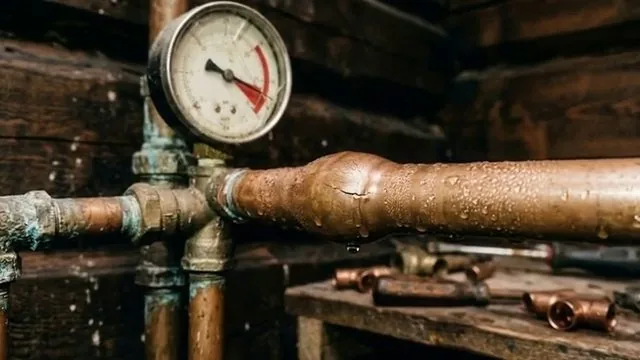
Inspections and Pressure Testing Before You Buy or Remodel
A gas inspection checks the visible piping, connections and appliance shut-offs, and a pressure test shows whether the system holds. It is a sensible step before buying an older home, after a remodel that moved appliances and any time the gas has been off for repairs.
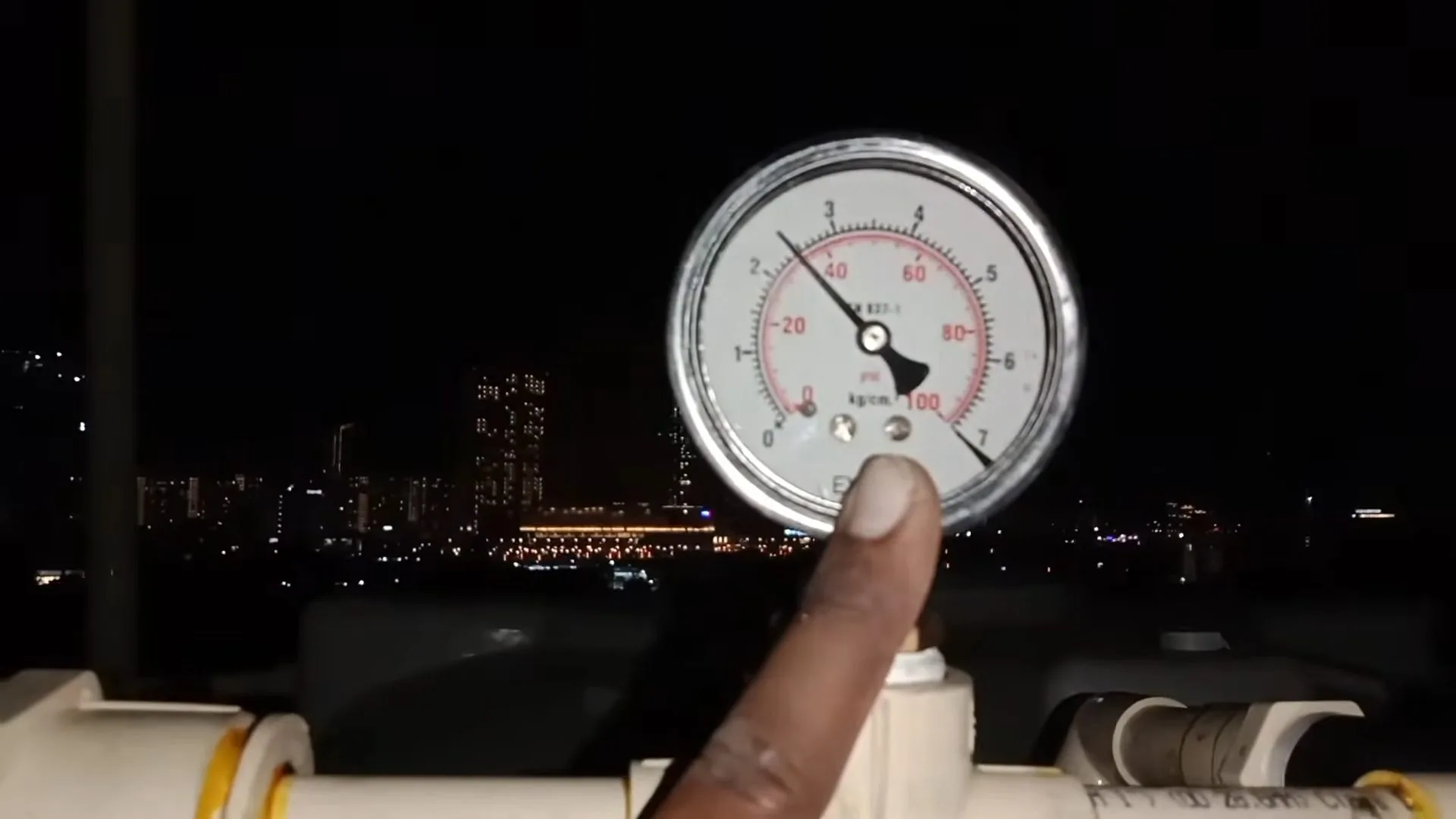
A pressure test is short and non-invasive. If the gauge falls, the plumber isolates sections to find the leak. For water-side checks that run through the same walls, see the leak detection page, and for appliances that share the utility area, the water heater repair guide covers gas units.
Smells already cleared and fuel conversions
Same-day response for gas smells that the utility has cleared, and conversions between gas types, are discussed when you call.
Gas Line Questions
What should I do if I smell gas outside my house?
Move away from the area and call the gas utility or 911 from a safe distance. Do not try to find the source. A strong smell outdoors can mean a leak at the meter or a buried line.
Can I install a gas line myself?
Gas installation should be left to a licensed plumber. Errors can cause leaks, carbon monoxide or fire, and most places require permits and inspection.
What is the difference between black iron pipe and CSST?
Black iron is rigid threaded steel that lasts but can corrode. CSST is flexible stainless tubing that goes in faster and needs correct bonding.
Do gas appliances need professional hookups?
Yes. Each connection needs the right connector, shut-off and leak test, and venting for some appliances.
Can a plumber convert an appliance to propane?
Usually, with a conversion kit and an orifice change. Many appliances are made for only one fuel, so the manual should be checked.
Need gas line work done safely?
Tell dispatch which appliance, the fuel type and the work you want done.
- Licensed and insured plumbers
- Same-day service when available
- 24/7 emergency dispatch