
Water Damage Cleanup: Extraction, Drying and Mold Testing After a Leak
When water gets into a home, the first hours decide how far the damage spreads. Drywall wicks moisture upward, carpet pads hold it against the floor and mold can begin to grow within a couple of days. This page covers removing the water, drying the structure and documenting the loss. It does not cover fire or smoke damage.
Call (520) 386-1957 Common questions
- Licensed and insured plumbers
- Same-day service when available
- 24/7 emergency dispatch
What to Do Before Help Arrives
Stopping the source comes first, and protecting people and belongings comes second. Take these steps in order if you can do so safely.
- Close the main water shut-off if the water is coming from a supply line.
- Switch off power to the wet area from a dry location. Never step into standing water near outlets or appliances.
- Lift furniture legs onto foil or blocks and move small items to dry rooms.
- Photograph and video the damage before moving anything.
- Open windows if weather allows, and run fans on dry air only.
Water Extraction and Removal
Standing water is removed with pumps and extraction equipment before drying begins. The faster the water comes out, the less the structure absorbs. Extraction covers floors, carpet, and low areas where water has pooled, and the crew checks wall bases and cabinet kicks for trapped water.
Wet carpet padding is usually removed because it holds moisture and is hard to dry in place. Carpet itself can sometimes be lifted, dried and reinstalled if the water was clean and the response was quick. Contaminated water changes that: porous materials touched by sewage are generally discarded.
Water in the house right now?
Stop the source if you can, then call. The sooner drying starts, the less gets replaced.
Drying the Structure: Air Movers, Dehumidifiers and Moisture Readings
After extraction, air movers push dry air across wet surfaces while dehumidifiers pull moisture from the air. Moisture meters track progress in drywall, framing and flooring, so drying ends on measured readings instead of guesses. A room can feel dry long before the wall cavity behind it is.
| Material | Usual handling |
|---|---|
| Drywall | Dried in place, or cut out if saturated |
| Carpet pad | Removed and replaced |
| Hardwood | Dried with special mats, sometimes lifted |
| Framing | Dried and checked before closing walls |
Drying typically takes a few days, and equipment is checked and adjusted daily.
Burst Pipe Water Damage
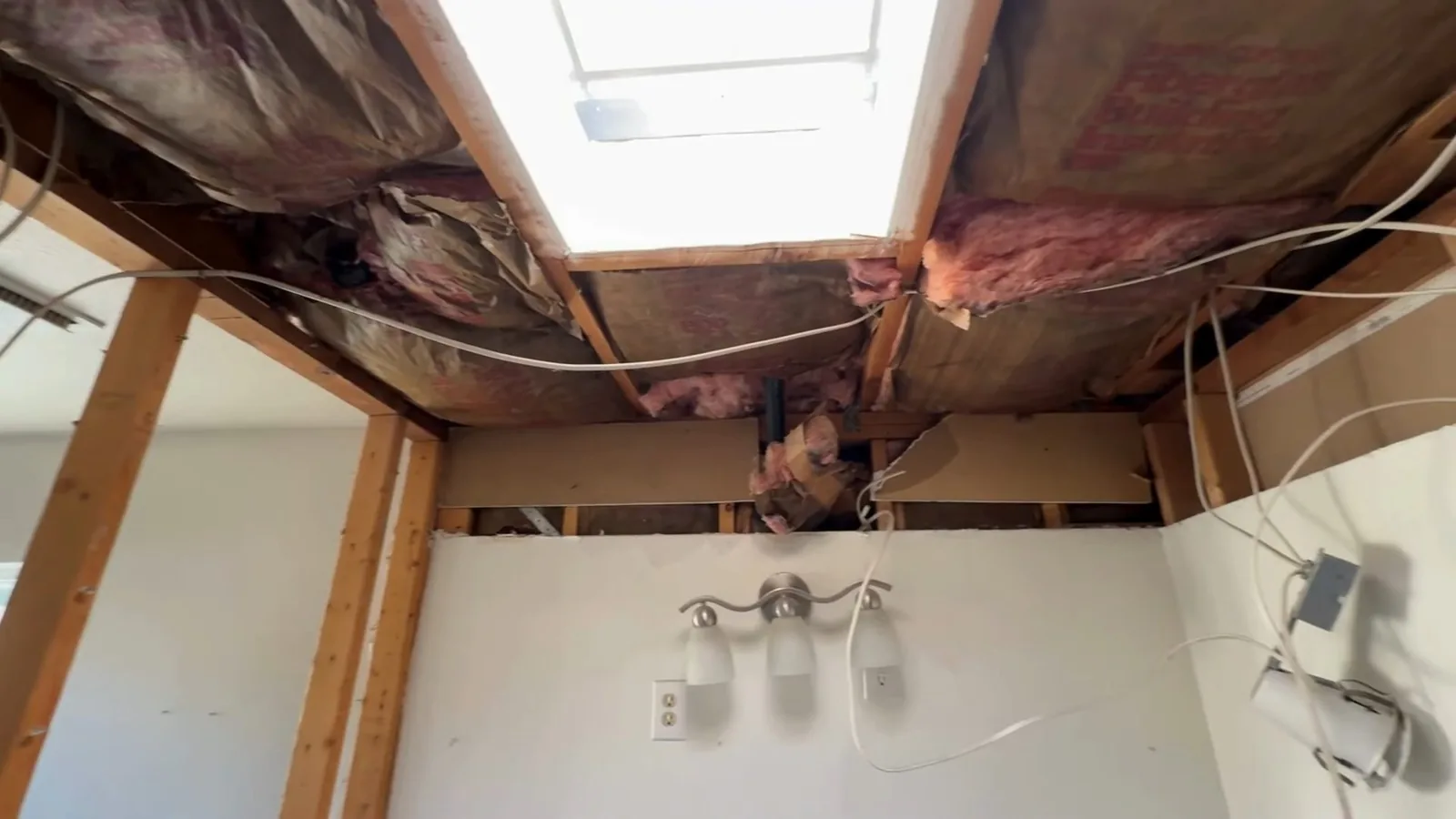
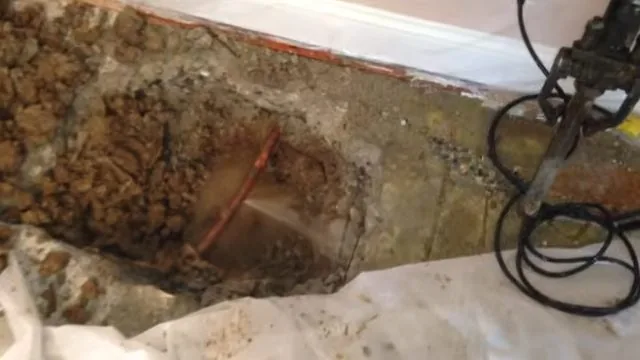
A burst or leaking supply line can flood a room in minutes and soak walls and ceilings below. The plumbing repair and the cleanup run side by side: the pipe has to be fixed so the water stays out, and the wet materials must come out so mold does not follow. The plumbing side is covered on the whole-home repiping page.
Slow leaks cause a different pattern. Water hidden behind a wall or under a floor may damage the structure for weeks before a stain shows. Moisture mapping tells the crew where the wet area really ends.
Sewage Backup Cleanup
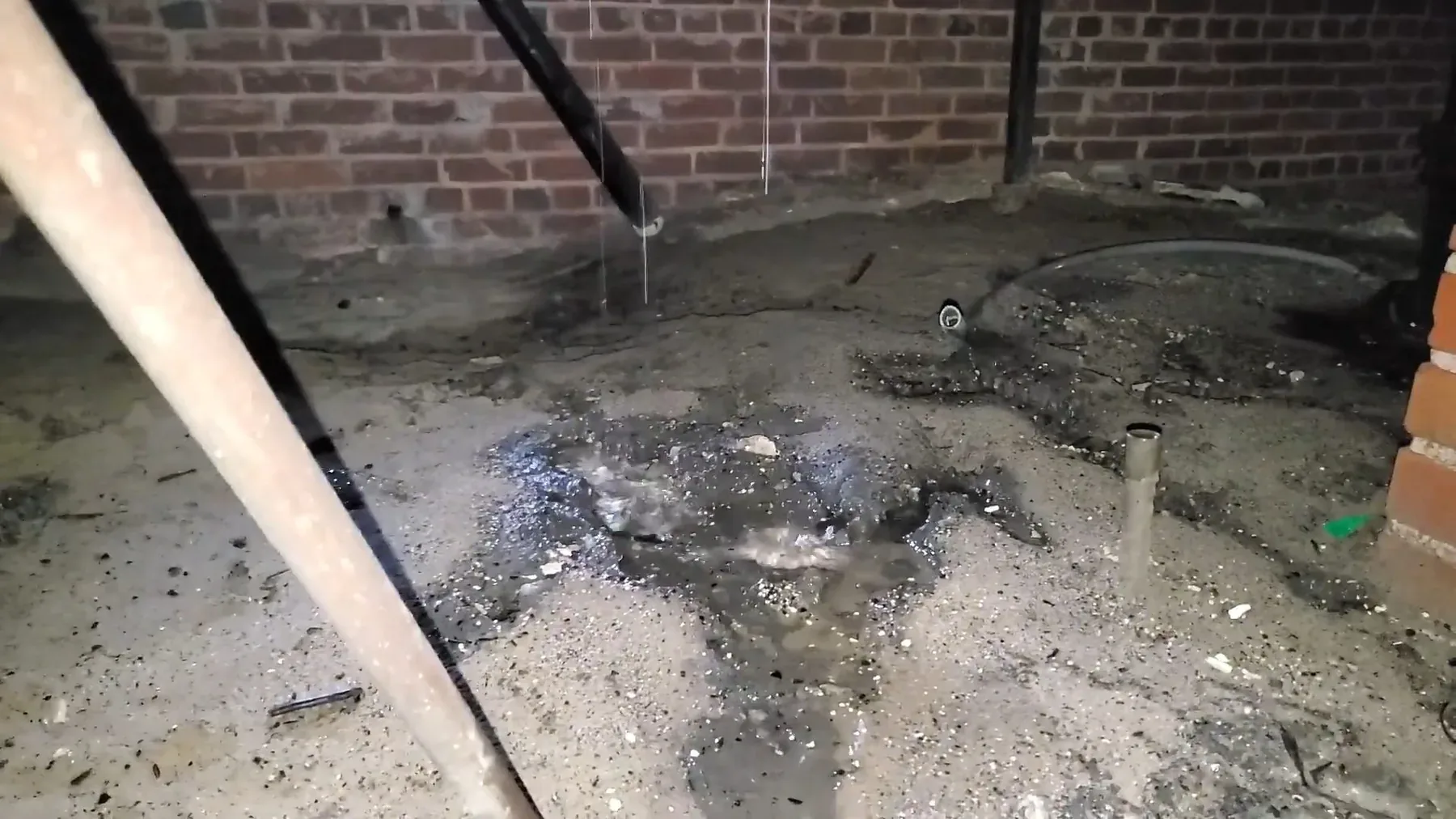
A sewage backup is a health hazard, not just a mess. Water from a sewer line contains bacteria and viruses, so cleanup involves removing contaminated materials, cleaning surfaces and applying disinfectant. Anything porous that sewage touched, such as carpet, pad and low drywall, is normally removed rather than cleaned.
The cause of the backup also has to be fixed, or it will return. The sewer and drain side of the problem is on the sewer inspection page.
Wear protective gear if you must enter, and wash thoroughly afterward.
Sewage backup or contaminated water?
Stay out of the area and call. Contaminated materials need proper handling.
Flooded Basements, Crawl Spaces and Lower Levels
Lower areas collect water and dry slowly because air does not move there. Crawl spaces need access and ventilation for drying, and insulation that has soaked up water often has to be replaced. Homes with finished lower levels may have water behind paneling or in sub-floors that surface drying cannot reach.
Water can also arrive from a source other than a plumbing line, such as a roof or an air conditioning drain, and the drying steps are the same once the source is stopped. Describe the space when you call: which rooms are wet, how deep the water got and what the floor and walls are made of. That helps decide what equipment to bring.
Mold Testing and Insurance Documentation
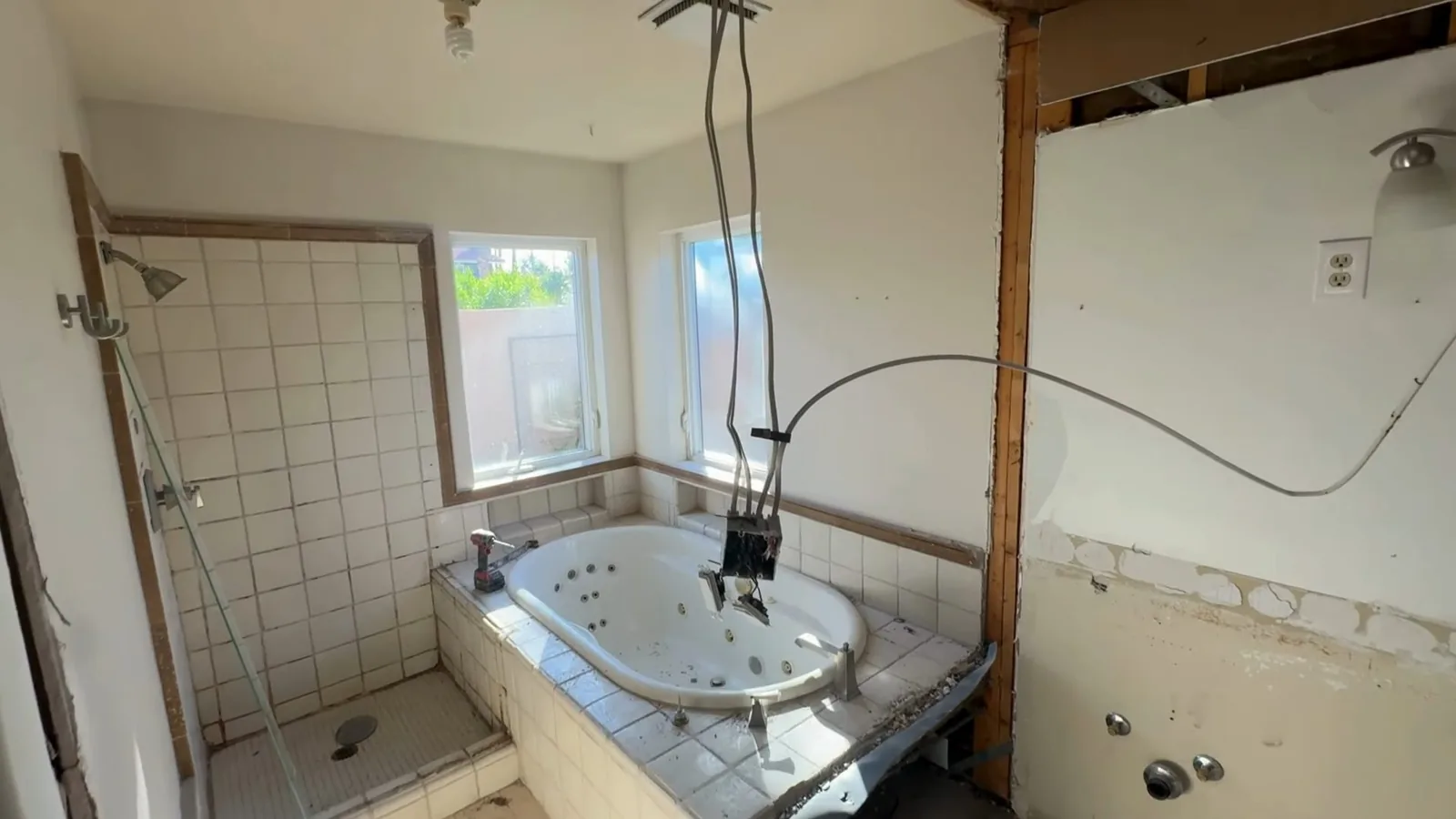
Mold can begin growing in damp materials within a day or two. If wet drywall, insulation or wood stayed wet, or you notice a musty smell after cleanup, mold testing can show whether spores are elevated and where. Testing results guide whether further removal is needed before walls are closed.
For an insurance claim, documentation matters. Photos from before cleanup, a moisture log, a list of removed materials and written invoices all help your adjuster. Ask for copies of readings and notes. Your policy and your insurer decide what is covered, so call them early.
Drying floors, carpet and wall cavities
Flooring and carpet drying or removal, and ceiling and wall cavity drying, are handled on the same visit when needed.
Water Damage Questions
How quickly does mold start after water damage?
Mold can start growing within one to two days in damp materials. Fast extraction and drying are the best prevention.
Can wet drywall be saved?
If the water was clean and drying starts quickly, drywall can often be dried in place. Saturated or contaminated drywall is usually cut out.
What should I photograph for my insurance claim?
Photograph every wet room, damaged belongings and the source of the water before cleanup. Keep invoices, readings and notes for your adjuster.
Is sewage water damage different from clean water damage?
Yes. Sewage carries bacteria, so porous materials it touched are usually removed and surfaces are disinfected, while clean water damage is often dried in place.
How long does the drying process take?
Often three to five days, depending on how much water there was and what it soaked. Meter readings, not appearance, decide when drying is finished.
Need water damage cleanup started?
Call the water damage line and describe where the water is, how deep and what caused it.
- Licensed and insured plumbers
- Same-day service when available
- 24/7 emergency dispatch