
Slab Leak Detection and Repair: Help for Coolidge Floors
Warm spots on the floor, a hiss under the tile or a meter that spins with everything off can mean a pipe is leaking beneath the concrete. Before anyone talks about breaking a floor, the first job is to confirm that your home actually has pipes in a slab and that the leak is really there.
Call (520) 340-7175 Common questions
- Licensed and insured plumbers
- Same-day service when available
- 24/7 emergency dispatch
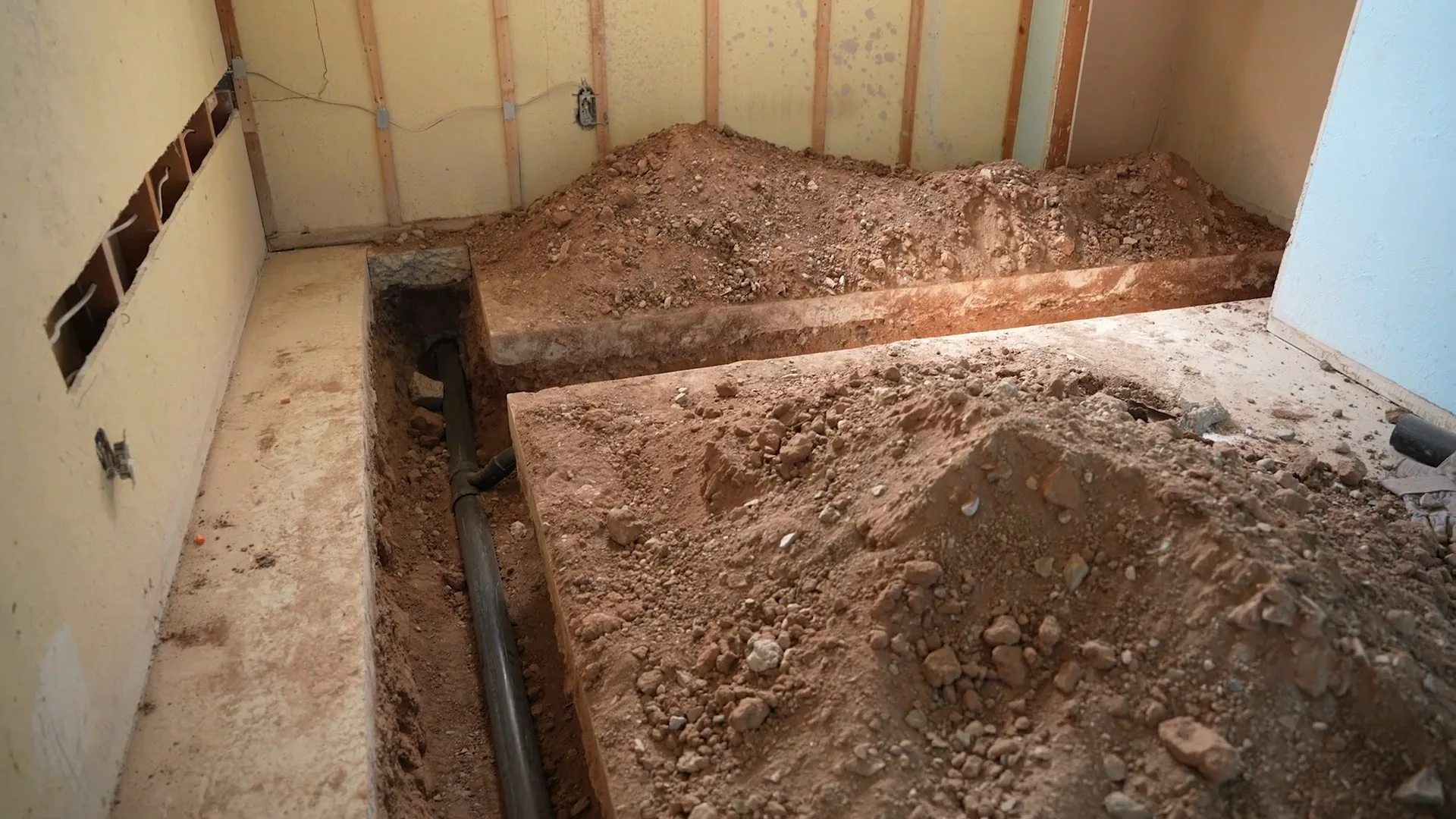
Does Your Home Even Have Pipes in the Slab?
The word slab leak gets used loosely, and the first question is a practical one. Some homes are built on a concrete slab with supply or drain lines running through or beneath it. Others sit above a crawlspace or on a raised foundation, with the plumbing exposed below the floor. The repair options, the cost drivers and the disruption differ completely between the two.
If you are not sure, ask when you call, and check any plans or inspection reports from when you bought the house. A plumber can usually tell from the layout of the water heater, the cleanouts and where the lines enter the home. Do not assume. A leak under a crawlspace floor is a very different job from a leak under poured concrete, and it should not be priced or planned as the same thing.
Early Warning Signs of a Leak Under Concrete
Slab leaks hide well, so the signs are indirect and they build over time. Any one of them can have another cause, but two or three together deserve a closer look.
- A warm or hot area on a floor that is otherwise cool, often near a hot water line.
- The sound of running water when every fixture is off.
- A steady rise in the water bill without a change in use.
- Damp carpet, lifted flooring or cracks that follow a straight line.
- Low water pressure at several fixtures, or a water heater that seems to run constantly.
Hot water lines leak into the slab more often than cold ones because heat and expansion stress the metal, which is why the warm patch is such a useful clue. If you notice one, close the main valve and call before the water softens the soil under the foundation.
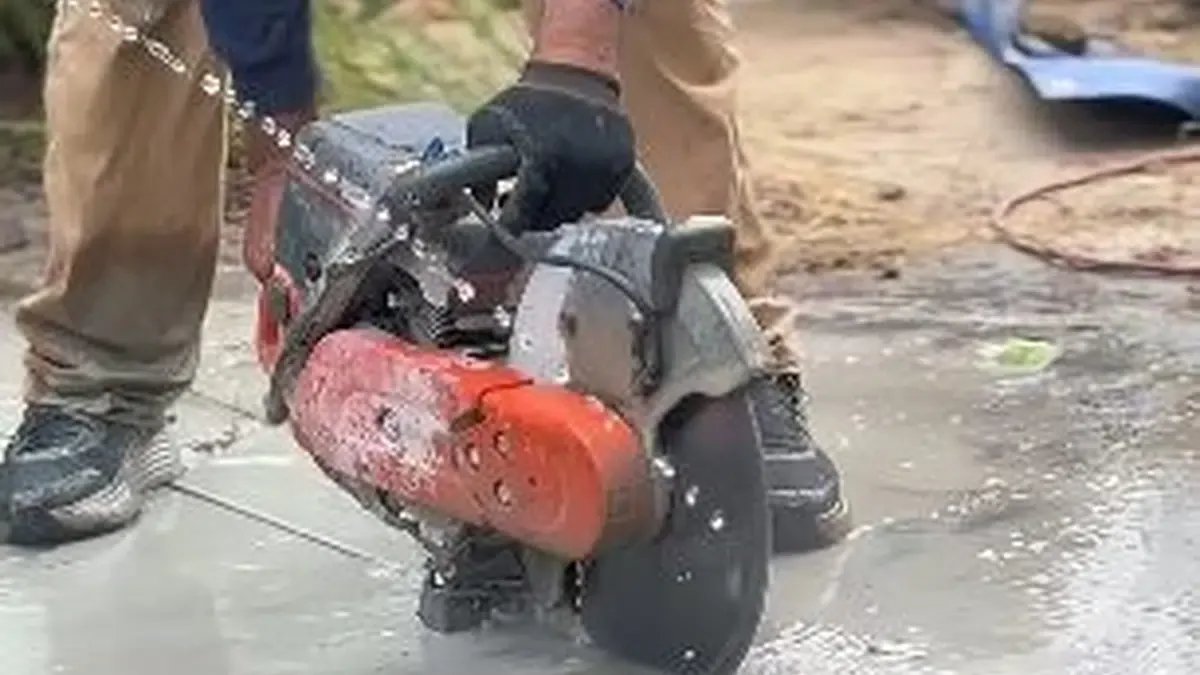
Warm floor or a spinning meter?
Those two signs together deserve a call today, before the leak widens.
How a Plumber Pinpoints the Leak Before Anything Is Cut
Detection comes first, and it is non-invasive. The plumber confirms a leak with a meter test and then isolates the hot side from the cold by shutting off the water heater supply. From there, acoustic equipment is moved across the floor to listen for the sound of water escaping a pipe, and the loudest point marks where to look. Thermal imaging can back that up where a hot line is the suspect.
The goal is a spot the size of a dinner plate, not a guess across a room. A precise location keeps the cut, the repair and the finish work as small as possible, and it is the main reason to choose detection before any demolition.
Tunnel, Reroute, Epoxy or Lining: Choosing the Repair
Once the leak is located, four approaches are usually on the table, and the right one depends on pipe condition, access and how many other weak points exist.
| Approach | What it involves | Consider it when |
|---|---|---|
| Spot repair through the slab | Cut a small opening, repair the pipe, patch the concrete | One clean leak, pipe otherwise sound |
| Tunnel under the slab | Dig beneath the foundation to reach the pipe from below | Floor finish must stay intact |
| Reroute through walls or attic | Abandon the slab line and run new pipe overhead | Several leaks, or old pipe throughout |
| Epoxy lining | Coat the inside of the pipe to seal leaks | Pipe is accessible at both ends and in fair shape |
Rerouting often wins when the pipe has leaked more than once, because the slab line stops being a risk. A spot repair makes sense for a single failure. Ask the plumber whether the rest of the line looks healthy, and what happens if a second leak appears next year.
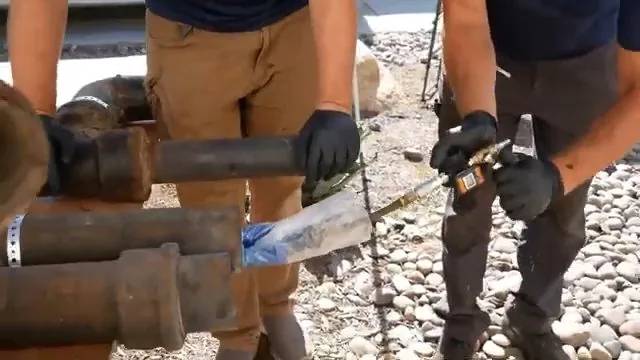
Want the leak located before anything is cut?
Detection comes first and keeps any opening small. Dispatch is open day and night.
Does Insurance Cover Damage From a Slab Leak?
Coverage varies by policy, and the wording matters. Many homeowner policies cover sudden water damage but treat the cost of reaching the leaking pipe differently from the damage the water caused. Read the water damage section of your policy or ask your agent before work begins, and report the leak promptly.
Keep documentation. A written report from the plumber describing where the leak was found, how it was confirmed and what repair was done gives the insurer something concrete to review. Photos taken before and after the opening help as well.
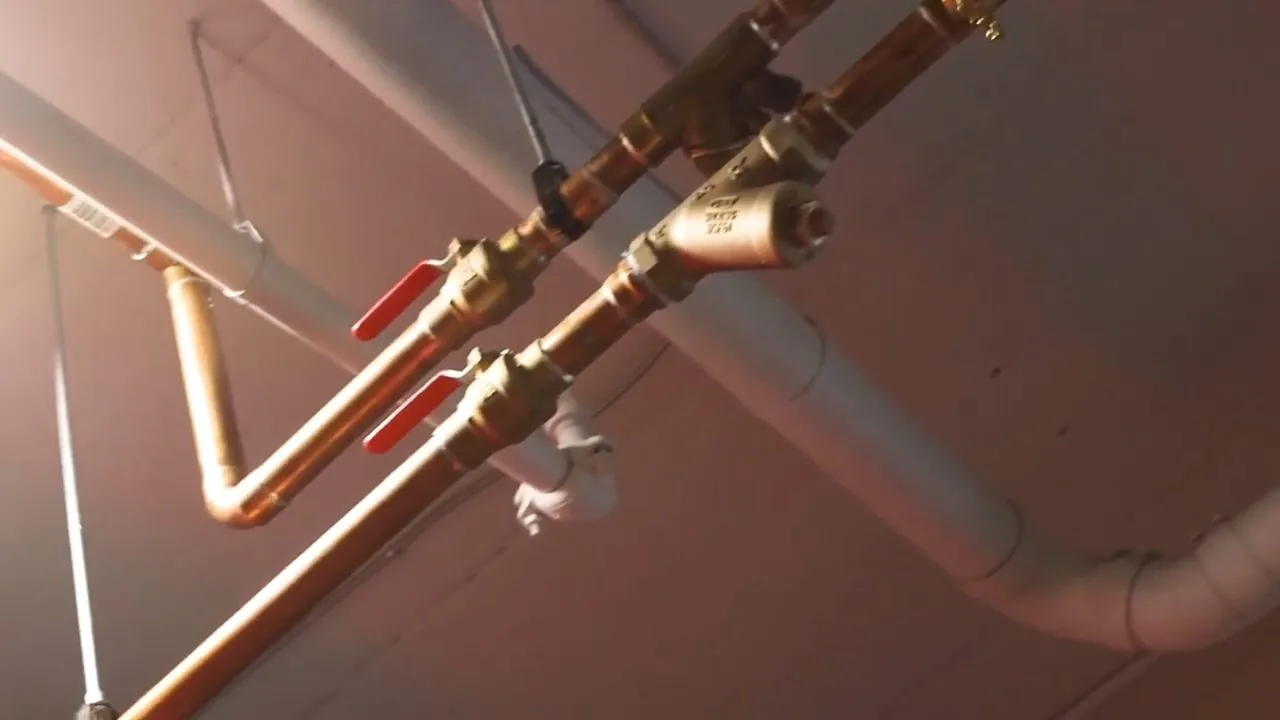
What to Do While You Wait for the Plumber
Shut off the main valve if the floor is wet or the sound is loud. If the leak is slow and you can live without water briefly, keeping the main closed overnight prevents further soil and slab damage. Run no water through the suspected line.
Move furniture off warm or damp flooring and keep pets and children away from wet areas. If flooring has been wet for a day or more, mention it so the plumber can plan for drying, and see the water damage restoration guide for what that involves. For a general approach to finding leaks anywhere in the house, the hidden leak search page covers the full process.
Slab Leak Questions
What does a slab leak look like?
Usually it does not look like anything at first. The visible signs are indirect: a warm patch on the floor, damp flooring, a straight crack or a meter that keeps moving with every fixture off.
Which repair methods are used, and how are they different?
A plumber can repair the pipe through a small slab opening, tunnel beneath the slab, reroute the line through walls or the attic, or seal the pipe from inside with epoxy lining. The choice depends on pipe condition, access and how many weak points the line has.
Can a slab leak wait a few days?
It is risky to wait. Water can soften the soil under the foundation, raise the water bill every day and damage flooring. Shutting off the main buys time, but the leak still needs a prompt diagnosis.
Is a slab leak an emergency?
Active flooding is. A slow leak is urgent but not always an immediate emergency. Close the main, call, and describe what you see so the dispatcher can tell you how soon to expect a visit.
Think the leak is under your floor?
Call and describe the warm spots, the sounds and the meter. A plumber will plan the next step with you.
- Licensed and insured plumbers
- Same-day service when available
- 24/7 emergency dispatch