
Replacing a Water Heater: Sizing, Fuel Choice and Installation
When a tank fails you have a short window to make a decision that will last a decade. The questions come fast: gas or electric, what size, whether a permit applies and who should install it. Clear answers before the old tank is drained make the replacement quicker and the result better.
Call (520) 340-7175 Common questions
- Licensed and insured plumbers
- Same-day service when available
- 24/7 emergency dispatch
Signs It Is Replacement Time, Not Repair Time
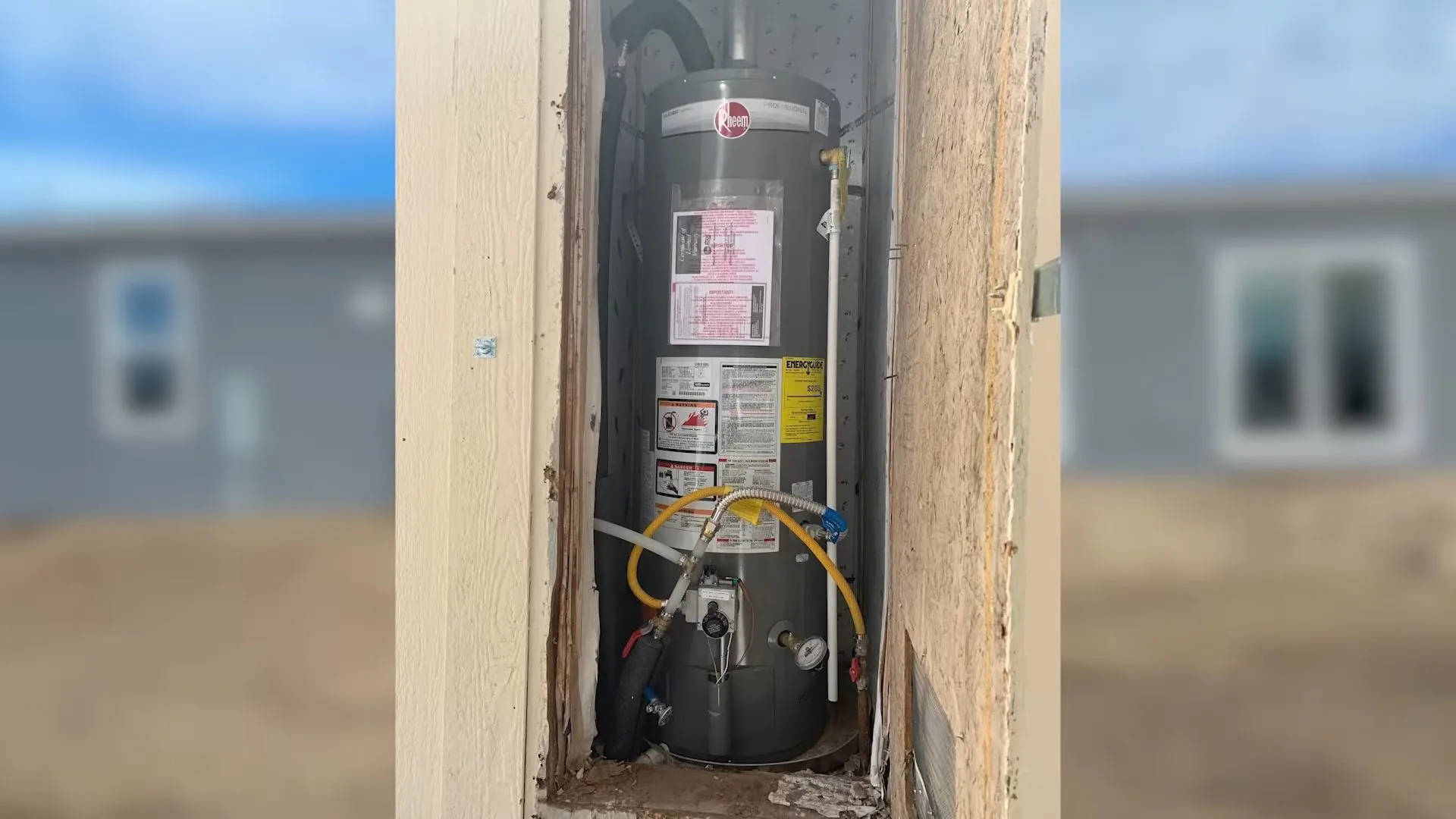
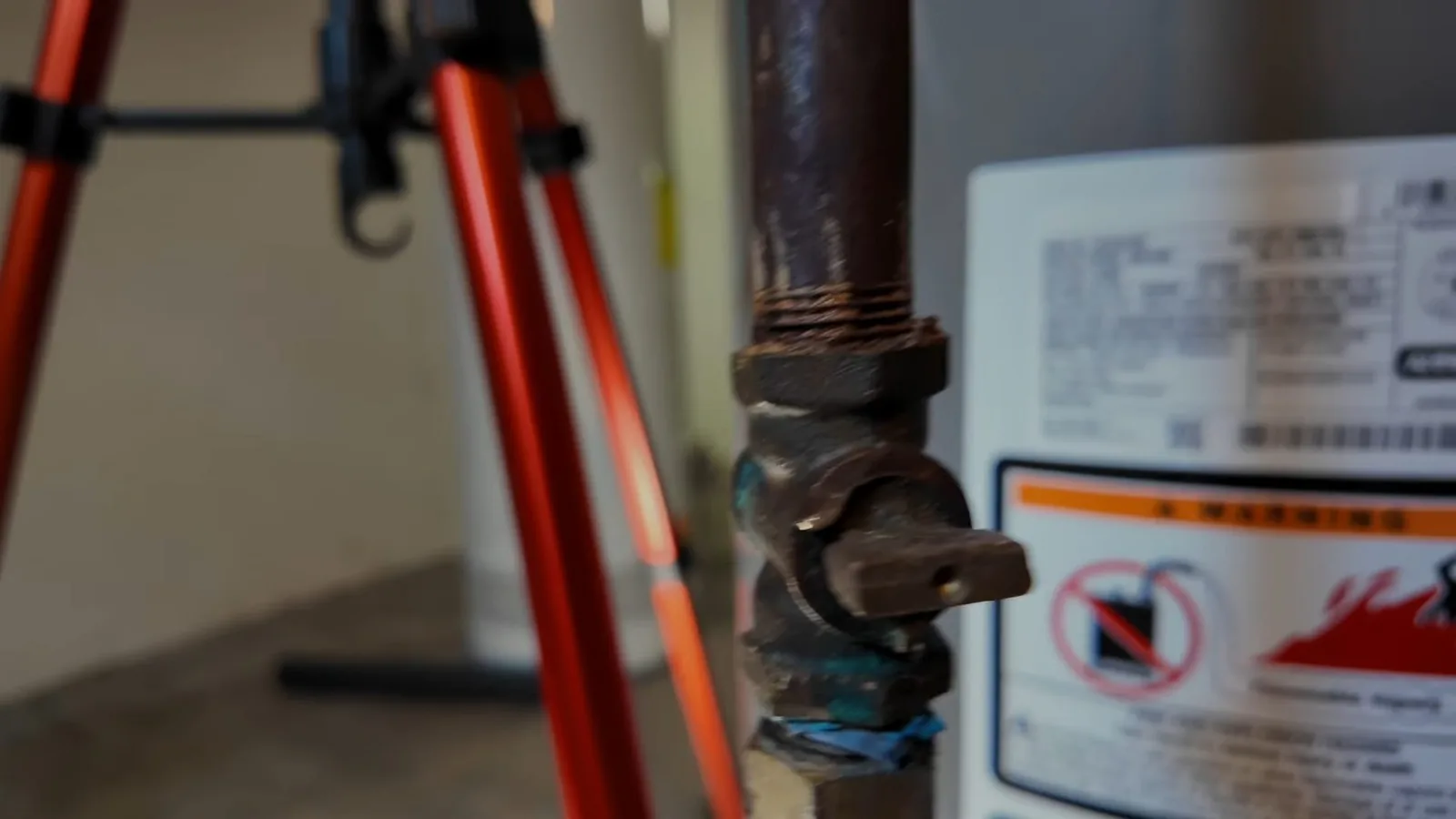
Some failures cannot be repaired. Water pooling around the base of the tank, rust-colored water from the hot tap and a unit that is more than ten or fifteen years old are the clearest signals. A leak from the tank body means the steel has corroded through, and parts will not fix it.
- Visible rust or moisture on the tank shell or the bottom rim.
- Repeated repairs within a short period.
- Rumbling that returns right after flushing.
- Hot water that runs out far sooner than it used to.
If water is escaping now, shut the cold inlet valve above the tank and turn the gas control to pilot or switch off the electric breaker before you call.
Choosing Between Gas, Electric, Hybrid and Heat Pump
Fuel choice is partly a question of what the house already has. A gas home with a gas connection and venting in place usually stays gas, and an all-electric home usually stays electric. Changing fuel type is possible, but it adds gas line, venting or electrical work.
| Type | Strength | Trade-off |
|---|---|---|
| Gas tank | Fast recovery, works in an outage | Needs venting and a gas line |
| Electric tank | Simple install, no venting | Slower recovery |
| Hybrid or heat pump | Uses less electricity | Needs space and airflow, higher purchase |
Ask what the plumber recommends for your house and why. If the answer is the same for every home, ask again.
Tank failed and the house is cold?
Shut the cold inlet and call. A replacement can be planned the same day when available.
How Big a Tank Does Your Household Need?
Sizing is about the first hour of peak demand, not the total gallons you use in a day. A household of two usually does well with a smaller tank, a family of four to five with a larger one, and a home with a soaking tub needs to plan for that single large draw. An undersized tank runs out of hot water mid-shower, and an oversized one wastes energy keeping extra water hot.
Tell the plumber how many people live in the home, how many bathrooms you have and when demand peaks, such as mornings or evenings. The rated first-hour delivery on the label is the figure to compare between models.
Installation Day: What Happens Step by Step
- The plumber shuts off the water, drains the old tank and disconnects the supply and fuel connections.
- The old unit is removed and the area is checked for rust, leaks and floor damage.
- The new tank is set on a stand or drain pan, and the water, gas or electrical connections are made to current code.
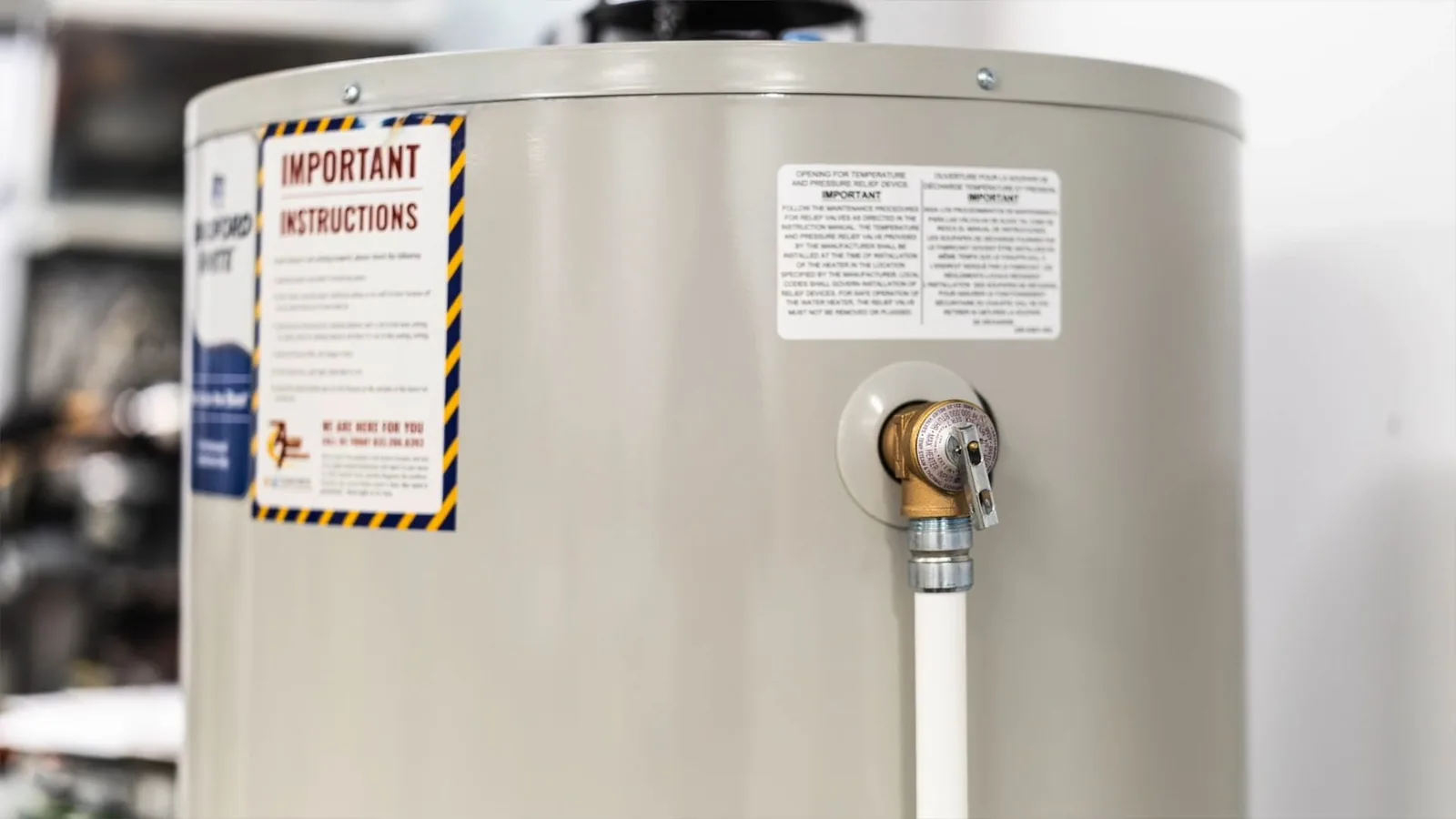
- A relief valve, with a discharge line routed to a safe spot, is installed.
- The tank is filled, purged of air and tested for leaks before the burner or elements are switched on.
Expect the visit to take several hours. Clear a path to the heater, and ask the plumber to confirm the old tank will be hauled away.
Not sure which size to choose?
Describe your household and a plumber will work out the first-hour demand with you.
Expansion Tanks, Permits and Code
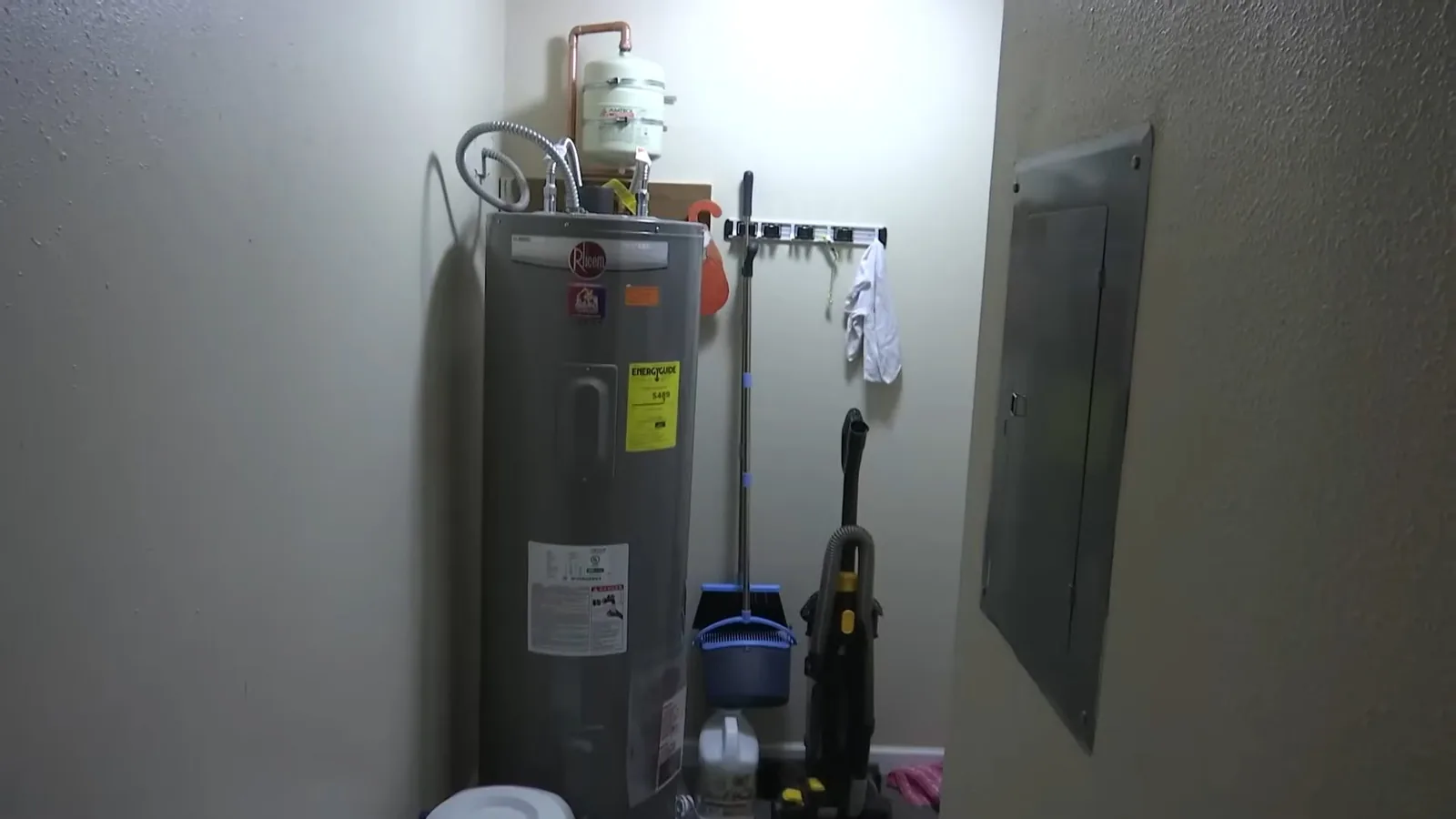
Heating water makes it expand, and in a closed plumbing system that expansion has nowhere to go. An expansion tank gives it somewhere to go and protects fixtures and the heater itself from pressure spikes. Many jurisdictions require one when a pressure-reducing valve or backflow device makes the system closed, so ask whether yours does.
Replacement often needs a permit, and the local building office decides the rules. The plumber should say whether a permit applies, who pulls it and whether an inspection follows. A replacement done without a required permit can cause trouble at resale or after an insurance claim.
Who Should Install It, and What to Ask
A water heater installed incorrectly can leak, vent exhaust poorly or fail early. Ask the plumber who will do the work, whether they are licensed and insured, what the warranty covers on parts and labor and whether the old tank is removed. For gas units, ask how the venting will be checked.
Also ask about same-day replacement when your tank has failed, and what can be done if parts are not in stock. If you are weighing a tankless alternative, read about it on the tankless service page before the visit. For a repair that might extend the life of a younger unit, see the hot water repair guide.
Point-of-use options
Point-of-use and under-sink units for a single distant fixture are an option when a long pipe run makes hot water slow to arrive.
Water Heater Replacement Questions
Do I need a permit to replace a water heater?
It depends on the local rules, which are set by the building office. Many places require a permit for replacements, especially when gas or venting work is involved. The plumber should confirm and handle it.
Who can install a water heater?
A licensed plumber. Gas connections, venting and relief valves need to be correct for safety, so installation is not a casual do-it-yourself job.
Can I switch from a tank to another type?
Yes. Switching fuel or moving to a hybrid or tankless unit changes the venting, gas line or wiring, so those changes should be part of the discussion.
How long does a water heater replacement take?
A straightforward tank swap usually takes several hours. Changes in fuel type, venting or location take longer.
Ready to replace the water heater?
Give dispatch the fuel type, tank size and age on the label.
- Licensed and insured plumbers
- Same-day service when available
- 24/7 emergency dispatch