
Pipe Repair or Whole-House Repiping: Which One Do You Need?
A pinhole leak in a copper line, a burst pipe in a wall or brown water from an old galvanized run all force the same question: patch this section or replace the whole system. The honest answer depends on how many weak points the pipe has, and a good plumber will tell you when repair has stopped being worth it.
Call (520) 340-7175 Common questions
- Licensed and insured plumbers
- Same-day service when available
- 24/7 emergency dispatch
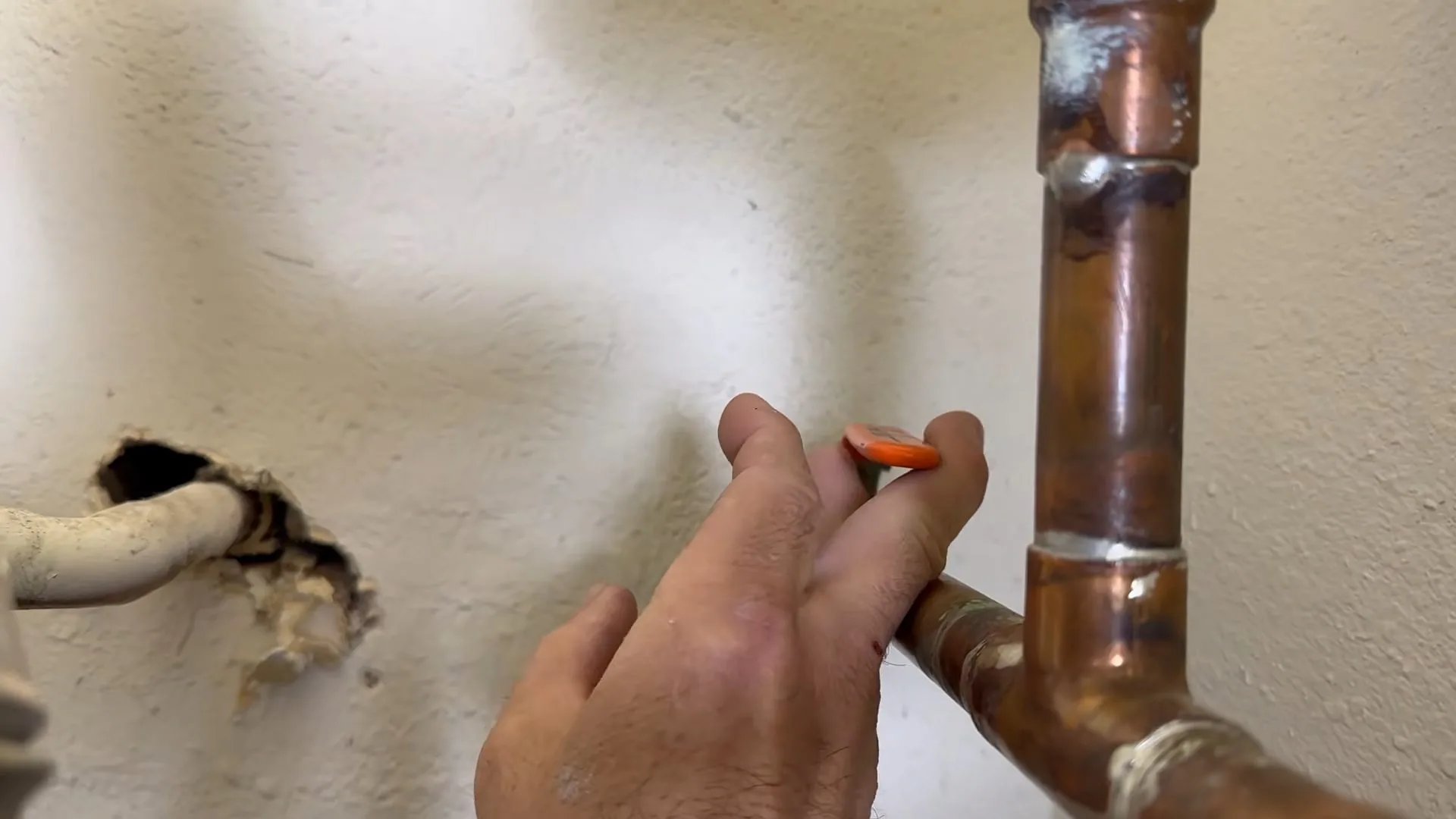
A Pipe Has Burst: What to Do Right Now
A burst pipe can release hundreds of gallons in an hour. Speed matters more than anything else you do.
- Close the main shut-off valve to stop the flow.
- Open the lowest faucet to drain remaining water from the lines.
- Switch off electricity to wet areas if you can do so safely from a dry spot.
- Move belongings out of the wet area and photograph the damage for your records.
- Then phone dispatch and say which room the water is showing up in.
Once the water is stopped, the plumber can decide whether the break is a single failure or a sign of a failing system. Wet drywall and flooring may need drying, covered on the water removal and drying guide.
Copper Pipe: Why It Pinholes and How Long It Lasts
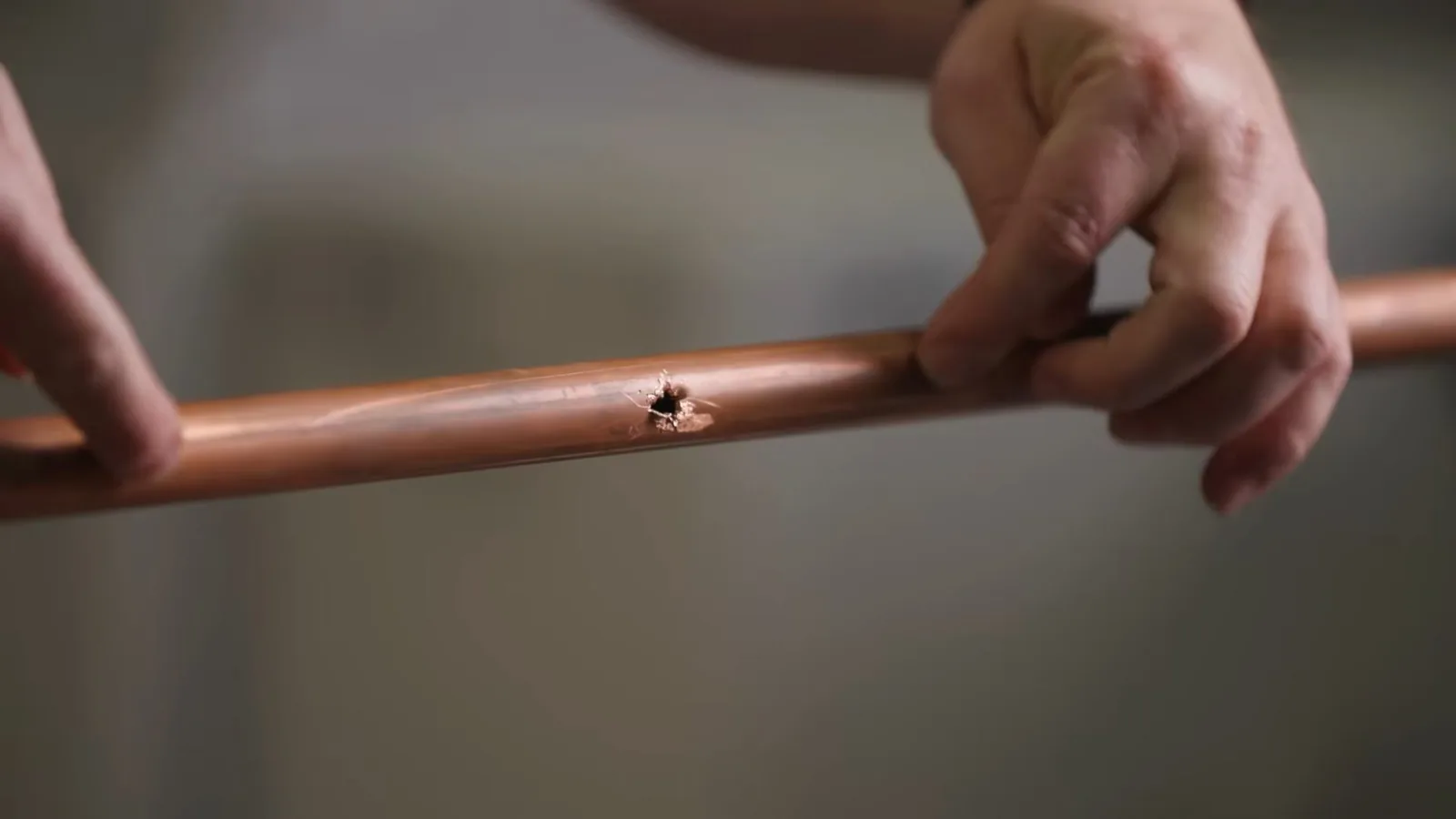
Copper is long lasting, but it is not immortal. Pinhole leaks appear when the inside of the pipe wears through from corrosion, often from aggressive water chemistry, high velocity or poor installation. Once pinholes begin in one run, others tend to follow, because the same conditions affect the whole line.
A single pinhole can be repaired with a coupling or a short replacement section. Several pinholes within a few years of one another are a different signal. They tell you the pipe wall is thinning along its length, and the sensible discussion becomes replacement of the run or the whole house. Ask the plumber to show you the cut section so you can see the wear for yourself.
Water stopped but the damage is done?
Once the main is closed, call. A plumber will tell you whether it is a repair or something bigger.
Galvanized, Polybutylene and Other Pipe Materials That Cause Trouble
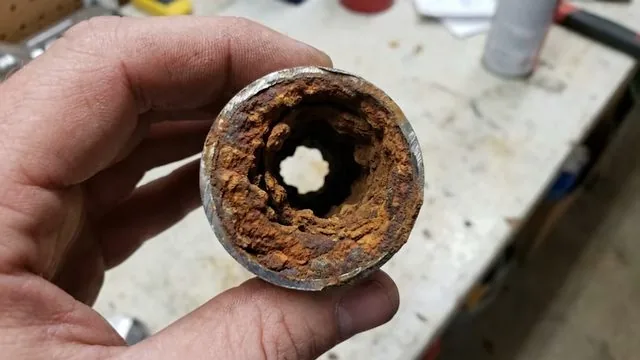
Different eras installed different materials, and a few have well-known problems. Galvanized steel rusts from inside, narrowing the pipe until pressure drops and water turns brown. Polybutylene, a gray plastic used in some homes for a period, is known to fail at fittings. CPVC can become brittle with age. PEX is flexible and common in newer work and repairs.
| Material | Typical concern |
|---|---|
| Copper | Pinhole leaks from internal wear |
| Galvanized steel | Rust, low pressure, discolored water |
| Polybutylene | Failures at fittings |
| CPVC | Brittleness with age |
| PEX | Few age problems when installed correctly |
Not sure what you have? A magnet sticks to galvanized steel but not to copper, and a plumber can identify the rest from the pipe color and markings.
Is Whole-House Repiping the Right Call?
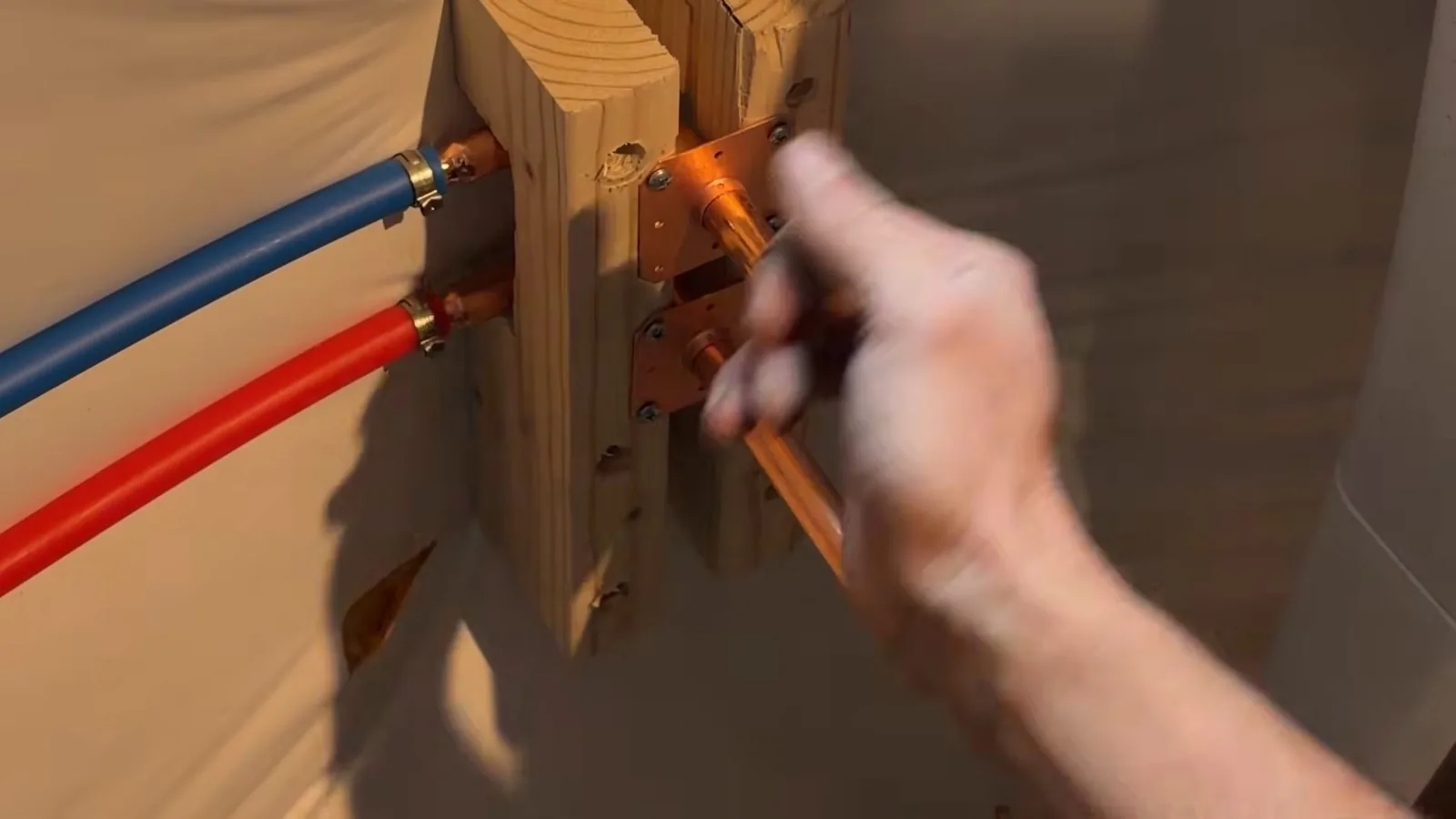
Repiping replaces the supply lines throughout the house, usually with PEX or copper, and it is a major project. It becomes worth discussing when leaks keep recurring, when pressure is poor throughout, when water is discolored or when a known problem material runs through the walls. It is rarely the first answer to a single leak.
Ask the plumber to put the options side by side: repair the failed section only, replace the worst runs or repipe the house. For each, ask what it fixes, what it leaves behind and how long the home will be without water. A whole-house job often takes a few days and involves opening walls at several points.
Pinholes keep coming back?
Repeat leaks in one line usually point to wear throughout it. Ask about replacement.
Replacing Part of a System Instead of All of It
Sometimes the middle option is the best one. If the damage is limited to a bathroom branch or a stretch under the house, replacing just that section retires the problem without the disruption of repiping the entire home. A plumber can also isolate the oldest runs and update them first.
When parts of the system are joined, the transition fittings matter. Joining copper and galvanized directly causes corrosion unless the right fitting is used, so ask how the old and new sections will be connected.
Repairing Pipes You Cannot See: Underground and Under-Slab Lines
Buried pipes fail without warning, and the clue is usually a wet patch in the yard, a drop in pressure or a higher bill. Locating the break comes first, using the methods described on the leak repair guide, and the repair follows. Lines under a slab are discussed on the slab leak detection guide.
The tools for a buried repair depend on depth and access. A short run may be dug and spliced, while a long run may be better replaced. For lines that have already leaked more than once, replacement is usually more economical in the end than repeated digging.
PEX conversions and mixed materials
PEX conversions, cast iron and PVC sections, and same-day pipe break response are covered when you call.
Repiping and Pipe Repair Questions
How do I know if my house has galvanized pipes?
Look at exposed pipes under sinks or near the water heater. Galvanized steel is dull gray and threaded, and a magnet sticks to it. Copper looks orange-brown and a magnet will not stick.
What should I do when a pipe bursts?
Close the main shut-off valve, open the lowest faucet to drain the lines, move belongings and call. Photograph the damage for any insurance claim.
Is repairing a cracked pipe worth it, or should I replace it?
A single clean failure in sound pipe is usually worth repairing. Several failures in one line suggest the pipe is wearing out and replacement is the better option.
Can CPVC pipes be repaired?
Yes, short sections can be replaced with the right fittings. Brittle CPVC may crack again nearby, so the plumber should check the surrounding pipe.
How long does a whole-house repipe take?
It commonly takes a few days, depending on the size of the house and access to the walls and attic. The plumber should plan around keeping water available where possible.
Need a pipe fixed or replaced?
Phone dispatch with the pipe material, the age of the house and where the trouble is.
- Licensed and insured plumbers
- Same-day service when available
- 24/7 emergency dispatch