Tankless Water Heaters: Install, Flush and Repair in Coolidge
A tankless unit heats water as it passes through instead of storing a tank of it, which is why people switch after one too many cold showers. The same design needs a bit more care than a tank: proper sizing, correct venting and regular descaling decide whether it lasts or becomes a recurring service call.
Call (520) 340-7175 Common questions
- Licensed and insured plumbers
- Same-day service when available
- 24/7 emergency dispatch
Is a Tankless Unit the Right Fit for Your House?
Tankless works best when the unit is matched to how the household really uses hot water. The key measure is flow, the number of gallons per minute you need when several fixtures run at once. A family that showers while the dishwasher runs needs a larger unit than a couple that rarely overlaps.
| Question | Why it matters |
|---|---|
| How many fixtures run together? | Sets the flow rate the unit must deliver |
| Gas or electric today? | Gas units often need a larger gas line and new venting |
| Where will it mount? | Venting and clearance rules limit placement |
| How hard is your water? | Mineral scale affects the heat exchanger |
A good plumber will walk through these before quoting, not after. If a visit begins with a price and ends without a flow calculation, ask for the calculation.
Tankless Installation: What the Job Involves
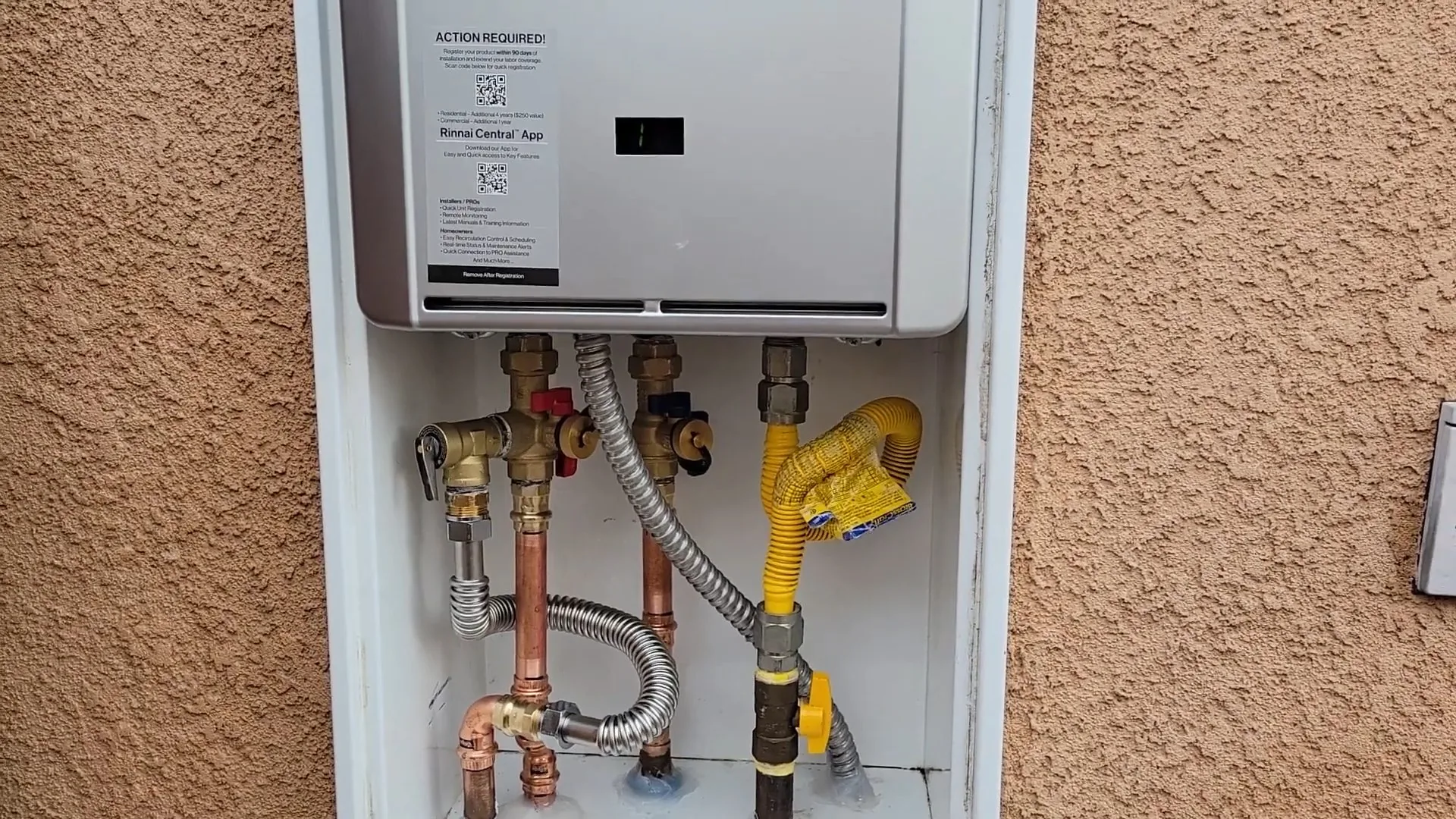
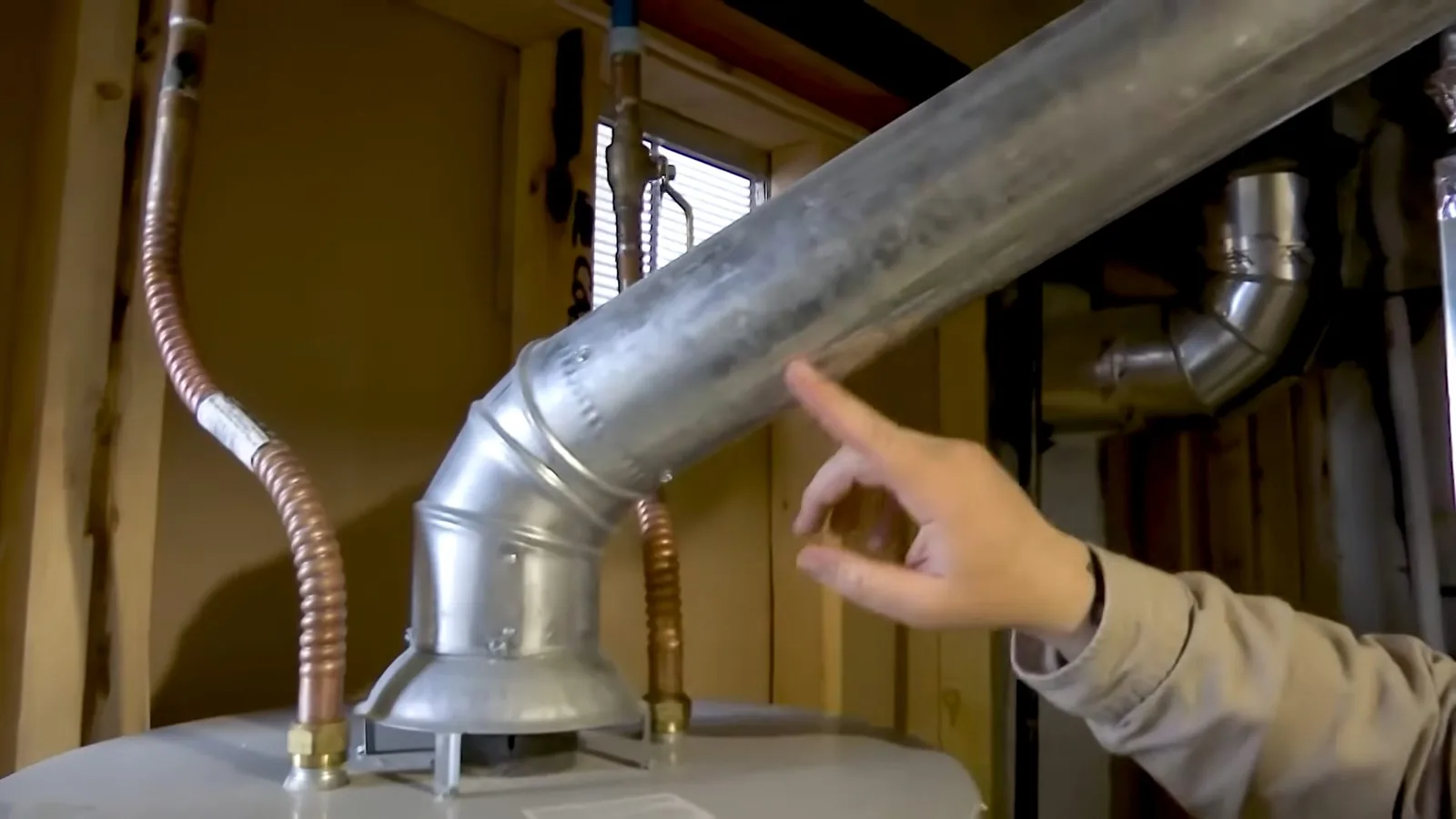
Installing a tankless unit is more than swapping one box for another. Gas models usually need a gas line of sufficient size, a dedicated vent that handles hotter exhaust and a condensate drain on high-efficiency units. Electric models draw heavy current, so the panel and wiring must handle the load.
The plumber will mount the unit, connect water and fuel, add isolation valves that make later flushing possible and test the system under flow. Permits are often required for gas and electrical changes, and the plumber should explain which apply and who arranges them. Ask where the unit will sit, how it will vent and what the finished installation will look like before you agree to the work.
Planning a switch to tankless?
Call and describe your household. A plumber will size the unit before anything is quoted.
Replacing a Tank Heater With a Tankless Unit
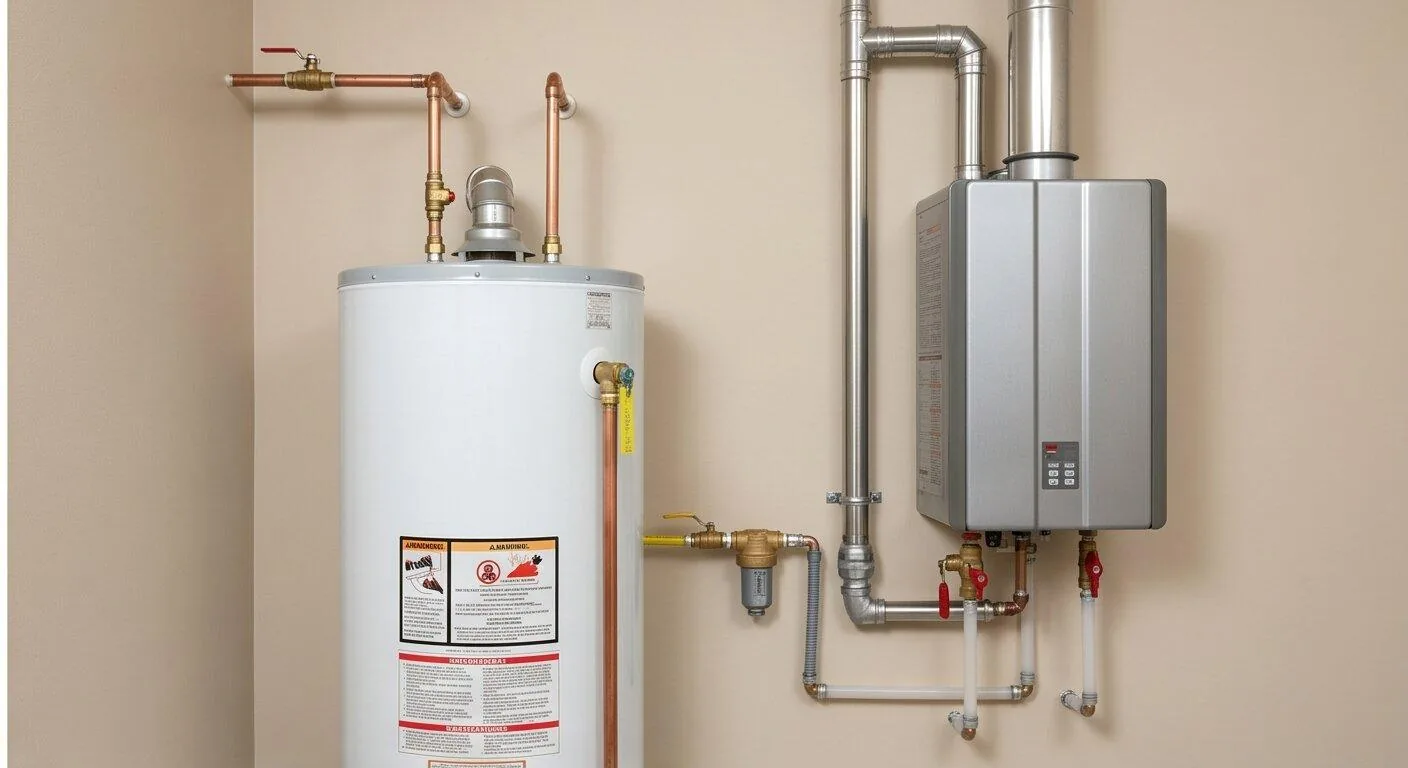
Conversion is the most common request, and it changes more than the heater. A tank unit sits on the floor with a short vent and a small gas line. A tankless unit hangs on a wall, wants its own vent run and often needs the gas line upsized. Plan for the extra work when comparing options, and ask whether the old vent can be reused.
Think about the old tank too. If it is leaking, the replacement is urgent, and the water heater installation guide explains the like-for-like alternative. If the tank is merely old, there is time to size a tankless unit properly and compare the two approaches side by side.
Flushing and Descaling to Protect the Heat Exchanger
Scale is the main enemy of a tankless unit. Arizona Water Company draws Coolidge's supply from wells, per the utility's published reports, and groundwater carries dissolved minerals that can coat the inside of a heat exchanger. The coating cuts efficiency, raises error codes and eventually causes failure.
Descaling means circulating a mild acid solution through the unit with a small pump for about an hour, then flushing with clean water. Isolation valves make this simple. Many manufacturers recommend doing it yearly, and more often when mineral content is high. A water softener upstream reduces the buildup, which the water softener guide covers.
Error code on the display?
Write it down and call. Many tankless faults trace to scale or a clogged filter.
Tankless Troubleshooting: Cold Spots, Error Codes and Shutdowns
Most tankless problems fall into a few groups. A cold sandwich, where hot water turns cold briefly and then heats again, is usually a short-draw or minimum flow issue. Error codes often point to scale, a clogged inlet filter, a venting fault or an ignition problem. A unit that shuts off mid-shower may be overheating from scale or starved of gas.
Check the inlet screen and the error code before calling, since the manual lists what each code means. Write the code down for the plumber. Repairs vary from cleaning a filter to replacing a sensor, and the plumber should say whether the unit has enough life left to justify the part.
Tankless vs Tank, Gas vs Electric, and Brands
A tankless unit gives endless hot water at a limited flow rate, while a tank gives a fixed volume at a high flow rate. Tankless units generally last longer than tanks when maintained, though they cost more to install. Gas units deliver higher flow than electric ones, and electric units avoid venting but need heavy wiring.
No brand is best for every home. Ask the plumber which models they service regularly, what the warranty covers and whether parts are easy to get. A brand that is easy to service matters more than a feature list.
Tankless Water Heater Questions
What is the difference between tankless and a tank water heater?
A tank stores and keeps a volume of water hot. A tankless unit heats water on demand as it flows through. Tankless gives continuous hot water at a limited flow rate, while a tank gives a fixed supply at a higher flow.
How often does a tankless water heater need flushing?
Manufacturers commonly recommend yearly flushing, and more often where the water carries many minerals. Isolation valves make the flush straightforward.
Can a tankless unit replace my existing tank?
Usually yes, but the vent, gas line and mounting location often change. A plumber should check each before agreeing to the swap.
Is tankless the right choice if I have a large family?
It can be, but the unit must be sized for the number of fixtures that run together. Some larger households use two units or a larger model.
Ready to talk tankless?
Tell the dispatcher about your current heater and how the household uses hot water.
- Licensed and insured plumbers
- Same-day service when available
- 24/7 emergency dispatch