Plumbing Questions Answered for Coolidge Homeowners
Thirteen questions callers actually ask, answered in a sentence or two first and then in detail. If yours is missing, the dispatcher will answer it by phone.
Call (520) 340-7175 Jump to the answers
- Licensed and insured plumbers
- Same-day service when available
- 24/7 emergency dispatch
Questions Homeowners Ask Before They Dial
These answers cover what happens on the phone and how to read your own symptoms first.
What can I expect when I call after hours or on a weekend?
The same dispatch line answers at 3 a.m. as at noon. A person asks what is happening, where you are and whether water, gas or sewage is involved, then places the job. Arrival depends on distance and on which plumbers are already out, so you get a realistic window rather than a guarantee. Same-day service is offered when available, and the dispatcher tells you honestly if it is not. Close the main valve while you wait if water is running.
What questions will dispatch ask me on the phone?
Expect five or six: your street address and the nearest cross street, what you see or hear, when it started, whether anything has been shut off, how old the equipment is if you know, and a callback number. None of it is a test. Each answer helps pick the plumber and the truck stock for the job. A photo of the problem is useful to have ready, and so is the brand label on a water heater or fixture.
How do I tell a leak from a clog or a pressure problem?
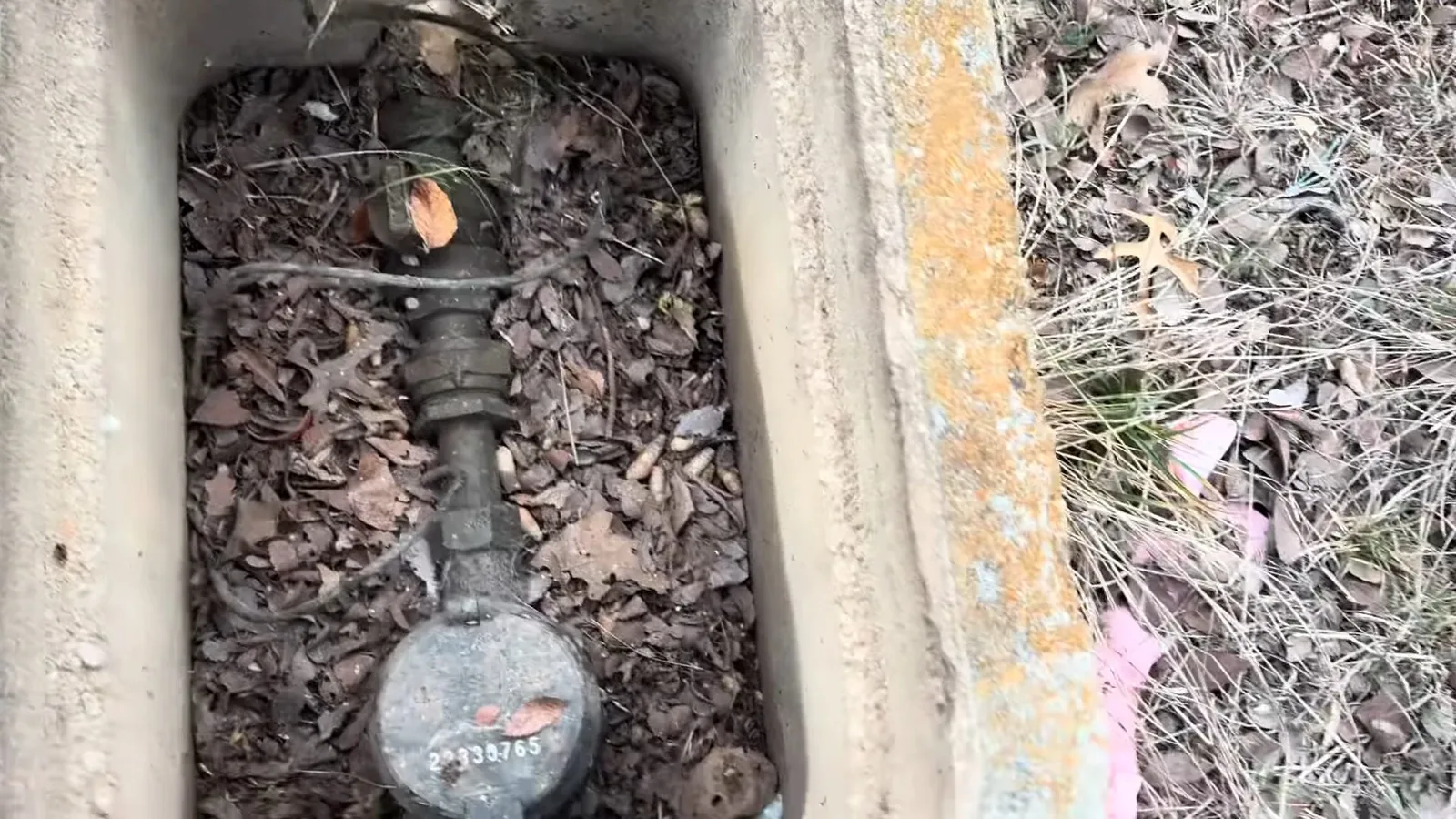
Water in the wrong place is a leak; water that will not leave is a clog; weak flow at every tap is usually pressure or supply. Check the pattern. A single slow drain is a clog. A wet spot that grows with no fixture nearby is a leak. Low flow at every tap, hot and cold, points to the supply side. A meter that moves with every tap closed confirms a leak somewhere past the meter.
How often should a home get a plumbing inspection?
A walk-through once a year is a reasonable habit, and a camera look at the sewer line is worth adding if backups have occurred before. The visit covers visible supply lines, shutoff valves, water heater condition, drain flow and fixture seals. Homes with older pipe or a past leak benefit most. Nothing here requires a schedule from the law; a weeping valve found early is a small job, while a stained ceiling is a large one.
Deciding What Kind of Plumbing Work You Need
The next three cover choices that depend on your house and on timing.
How do I choose between repairing something and replacing it?
Repair when the failure is a single part and the rest is sound. Replace when failures repeat, the unit is old or the repair would cost close to a new one. Picture a water heater that has leaked twice and now rumbles: parts can fix the noise, but a leaking tank cannot be patched. Ask the plumber to explain what else is likely to fail soon, and ask for both options in plain terms before you decide.
Is plumbing different in mobile and manufactured homes?
It can be. Lines often run beneath the floor instead of through walls and a slab, which changes access, and fixtures may be sized or mounted differently. Tell the dispatcher at the start of the call that the home is manufactured or mobile so the right plumber and parts come. The same warning signs apply: a soft floor, a wet skirting area or a spinning meter should be reported promptly.
What plumbing problems come up when buying or selling a house?
Inspection reports often flag slow drains, aging water heaters, active drips, low pressure and gas appliance concerns. As a seller, fixing small items before listing keeps a sale on track. As a buyer, a sewer camera inspection is an optional step that shows what a general inspection cannot. A plumber can address the items on a report; deciding who pays for them is a negotiation between buyer and seller.
Still have a question? Dispatch can answer it
Call and ask. A plumber serving your area can explain what applies to your address.
Responsibility, Permits and Who Answers for a Pipe
Rules differ by town, so these answers point to the right office rather than guess.
Who checks plumbing work, and do I need a permit?
Permits and inspections run through the building office for the address, whether a city, a town or the county. Whether a given job needs one depends on the work and the location, and the plumber confirms that with the right office. Florence is one example: its permit application for plumbing and mechanical work asks for the contractor's ROC license number and a town business license. Homeowners are still asked to verify license and insurance themselves.
Who is responsible for which pipe: me, the utility or my HOA?
As a common pattern, the utility owns the main in the street and the line up to the meter, while the homeowner owns everything from the meter into the house. An HOA may own shared lines in a condominium or townhome. Call the utility or read your HOA documents to confirm for your address. If water is surfacing in the street, report it to the utility; if it is surfacing in the yard past the meter, it is likely yours.
Which county and municipal office has jurisdiction over my address?
Most addresses covered from Coolidge are in Pinal County. Queen Creek is filed under Maricopa County. Inside a city or town, the municipal building office handles permits; in an unincorporated community such as Arizona City, county rules apply. San Tan Valley became a town on July 1, 2026, and local reports say permitting there moved from the county to the town. Give the plumber your exact address and ask which office applies.
Coverage and Local Conditions Around Coolidge
The last group ties the page back to the places this site serves.
Which neighborhoods and ZIP codes are covered, and how is coverage confirmed?
Coolidge is covered, along with Casa Grande, Eloy, Arizona City, Florence, San Tan Valley and Queen Creek. The ZIP codes are listed on the service areas page and on each town page. A ZIP is only a first filter. Dispatch confirms coverage from your street address and from where plumbers are working that hour, and will say so plainly if an address is out of range.
What does the age of my house say about its pipes?
What matters is the year your own house was built, not the neighborhood average. Look it up on your county assessor record, then ask the plumber what material your lines are. Different eras used different materials, and each ages in its own way. A plumber can identify copper, plastic or steel on sight at a visit, and the answer tells you whether to watch for pinholes, scale or joint failures.
Where does my water come from, and what does that mean for fixtures?
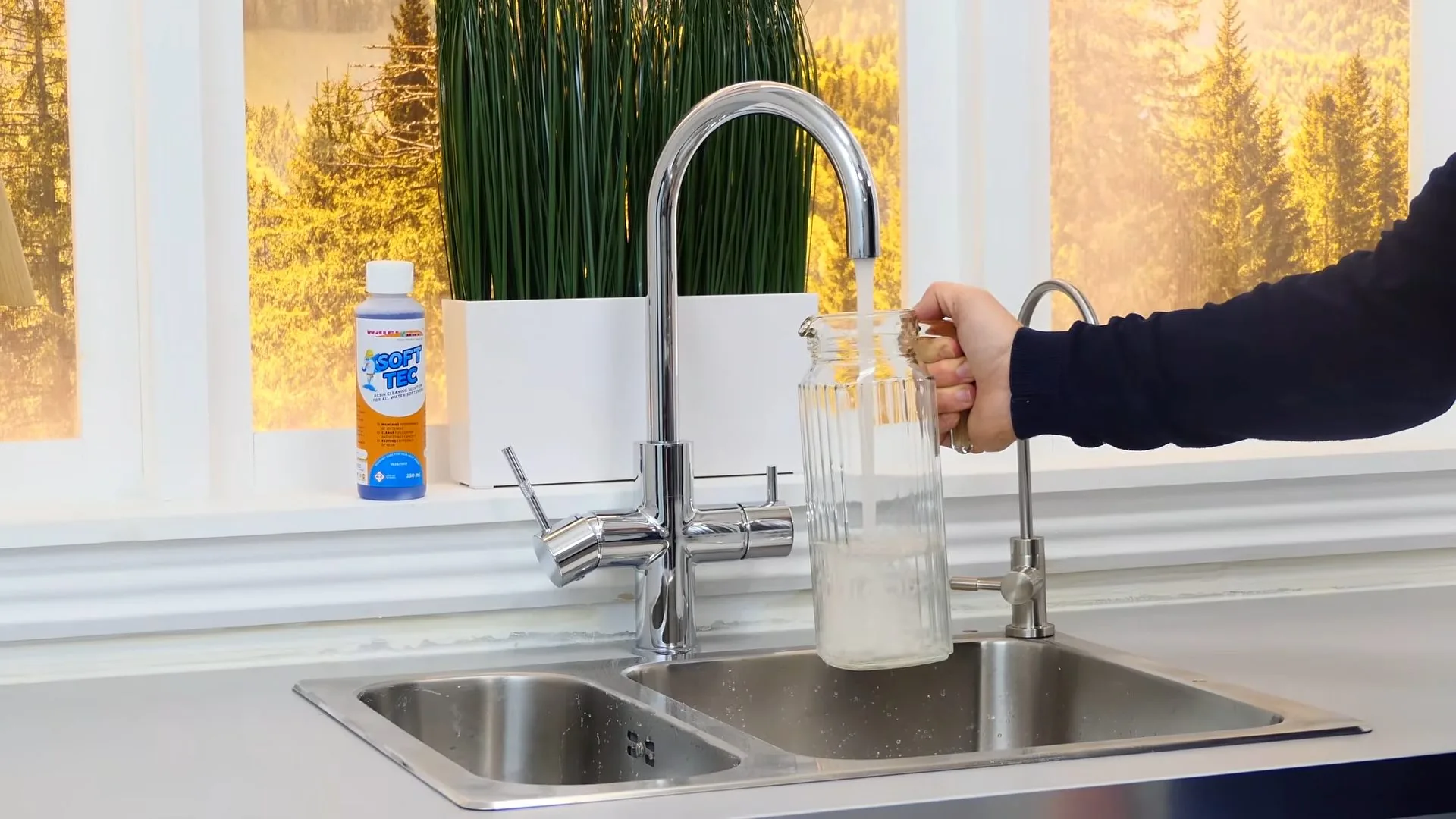
In Coolidge the supplier is Arizona Water Company, which draws on groundwater wells per its report for that system. Other towns differ: Florence runs its own wells, Queen Creek uses its own utility, San Tan Valley is served by EPCOR and Eloy by the city. No hardness number is quoted on this site because no current primary figure was verified. Your utility's water quality report lists one, and scale on fixtures is the practical test.
Prefer to ask a person? Call the dispatch line
Describe the problem and get a straight answer about your address.
- Licensed and insured plumbers
- Same-day service when available
- 24/7 emergency dispatch